

The San Marcos River is a popular place to swim, float, paddle, and gather, but heavy recreation can stress this sensitive spring-fed ecosystem. It can damage vegetation, disturb habitat, increase erosion and turbidity, and contribute to pollution.
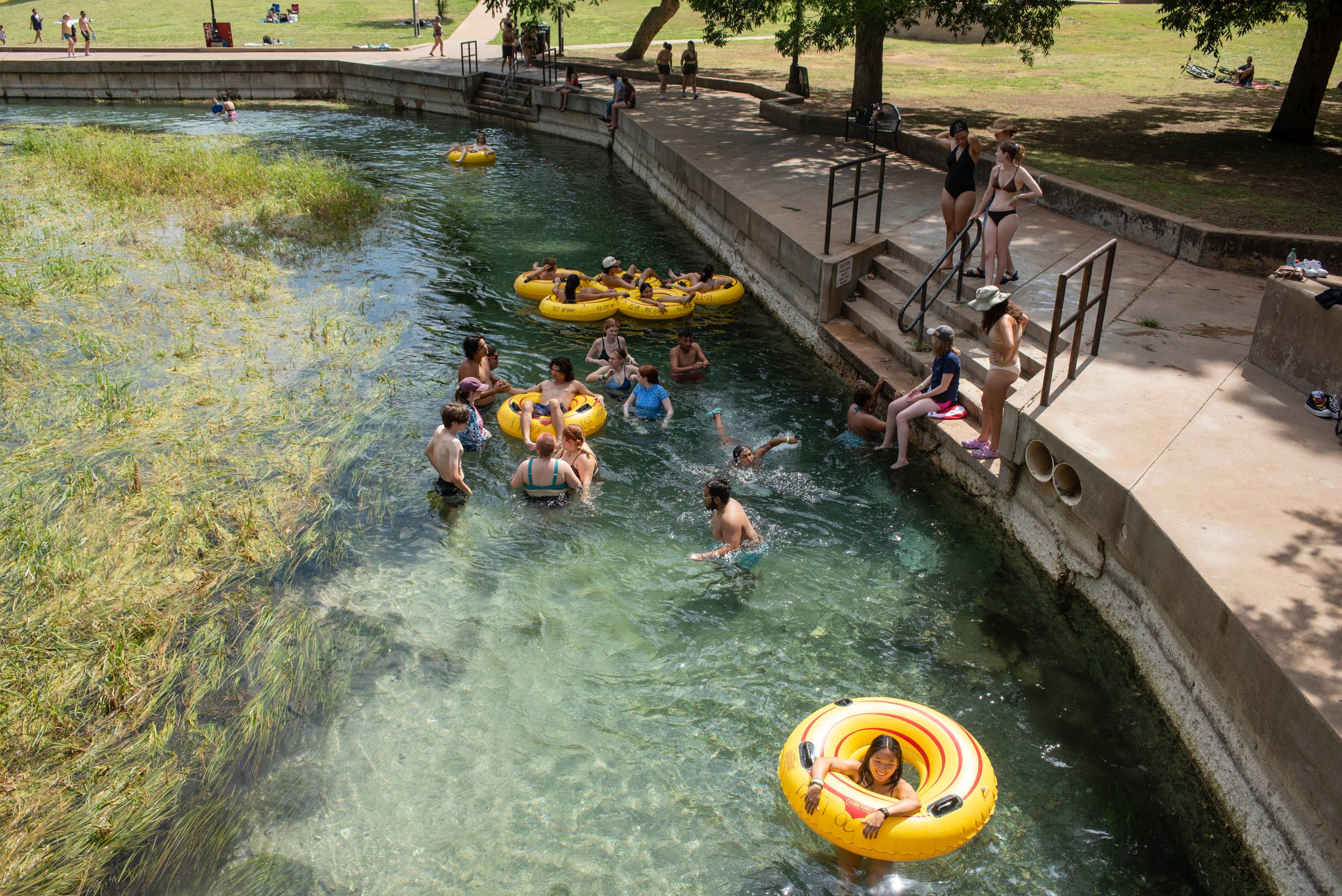
WHEN RECREATION PUTS PRESSURE ON THE RIVER
How Recreation Affects the River
Habitat Disturbance
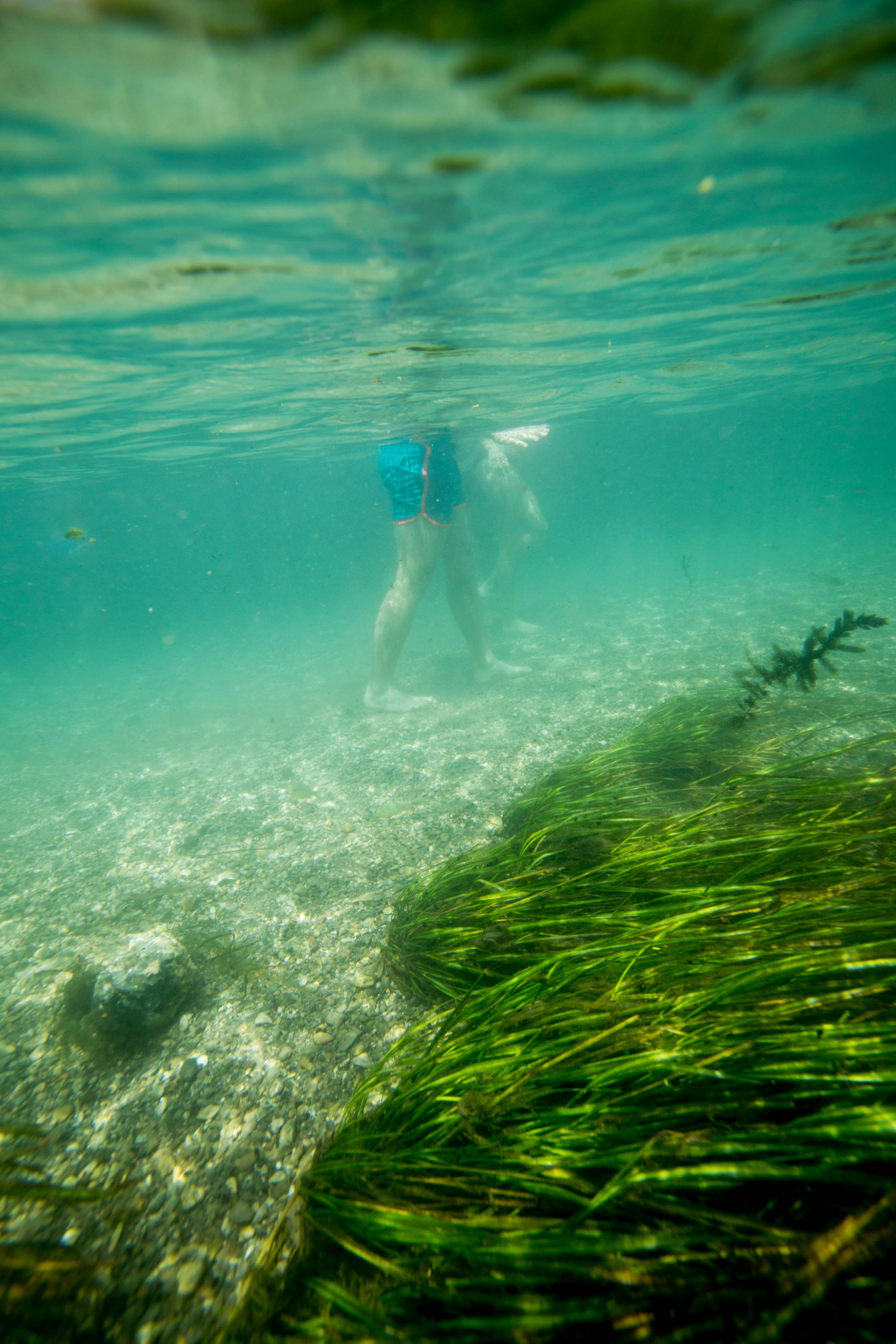
Wading, swimming, tubing, and other activity in shallow areas can disturb aquatic vegetation, riverbed habitat, and areas used by fish, salamanders, and other aquatic species. Repeated contact can uproot plants, displace sediment, and reduce the quality of habitat throughout the spring-fed system.
How Recreation Affects the River
Bank & Riparian Damage
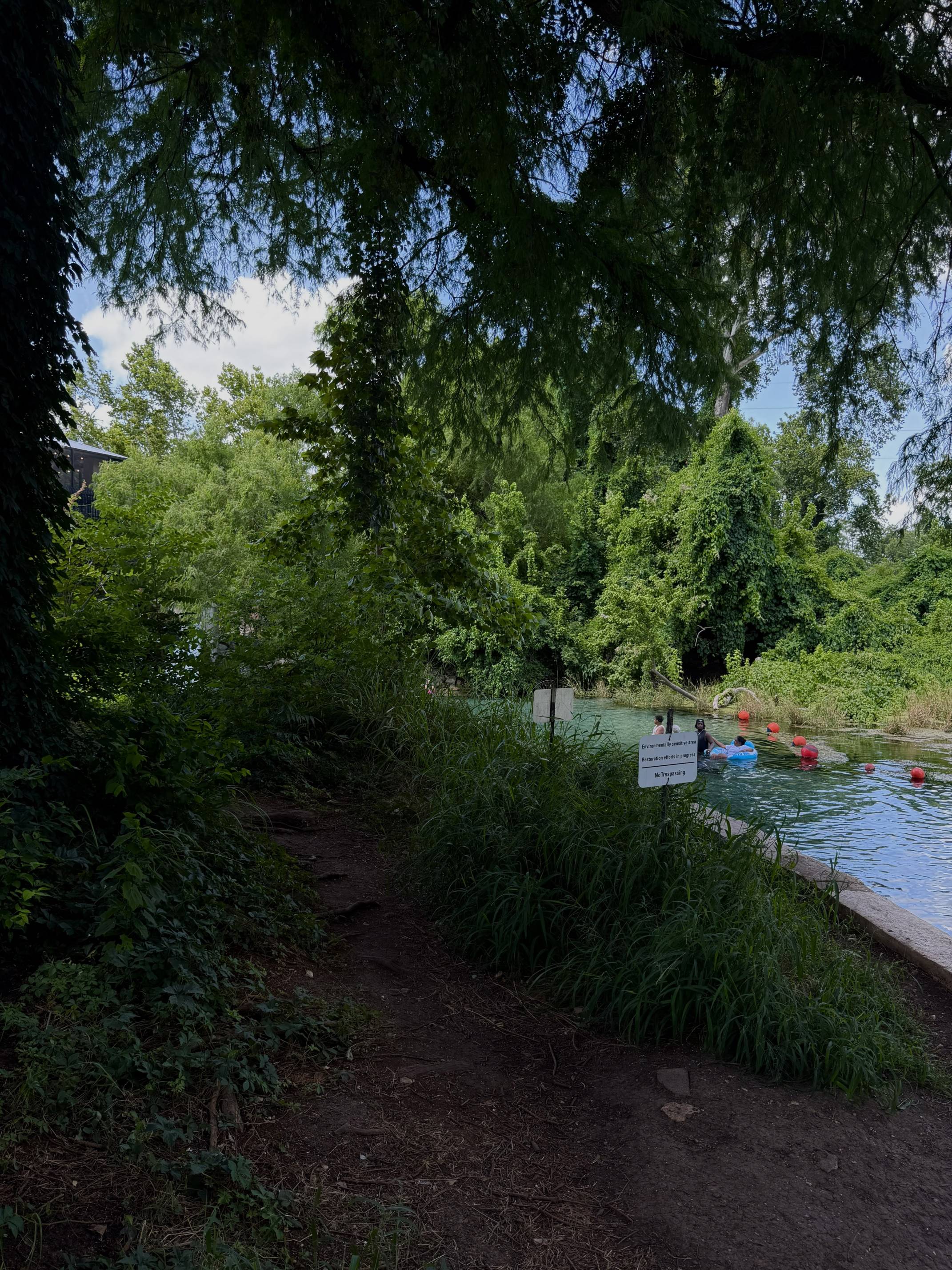
Repeated foot traffic along unofficial access points can wear down streambanks and damage the vegetation that helps stabilize them. Loss of riparian vegetation can leave soils more exposed to erosion and increase the amount of sediment entering the river. The current San Marcos River restoration effort specifically includes improving riparian habitat and reducing recreational impacts.
How Recreation Affects the River
Water Quality & Turbidity
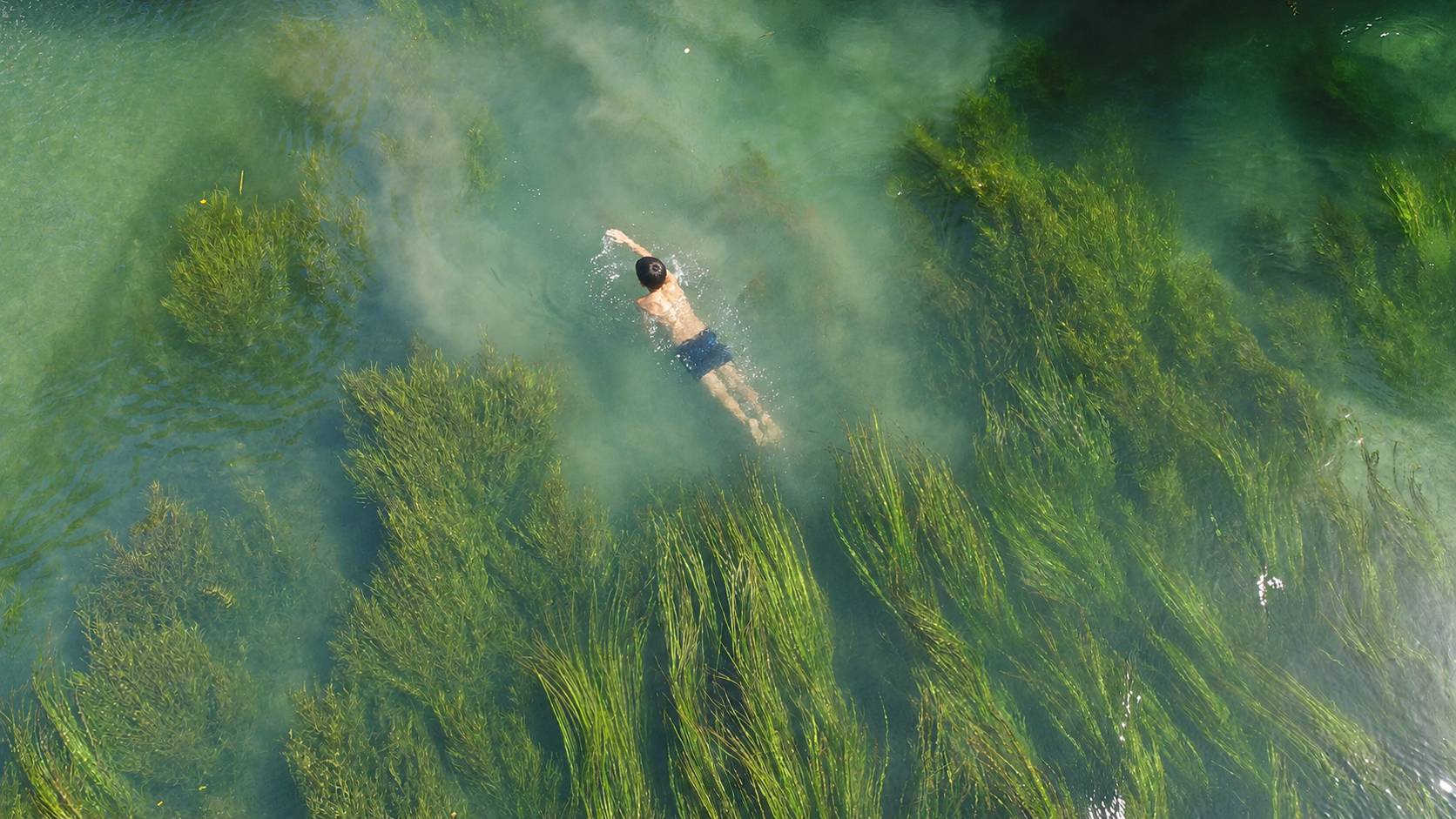
Recreation in shallow areas can stir up riverbed sediment and increase turbidity, reducing water clarity and the amount of light reaching aquatic plants. These changes can affect plant growth and degrade habitat conditions for fish, invertebrates, and other species that depend on clear, spring-fed water.
How Recreation Affects the River
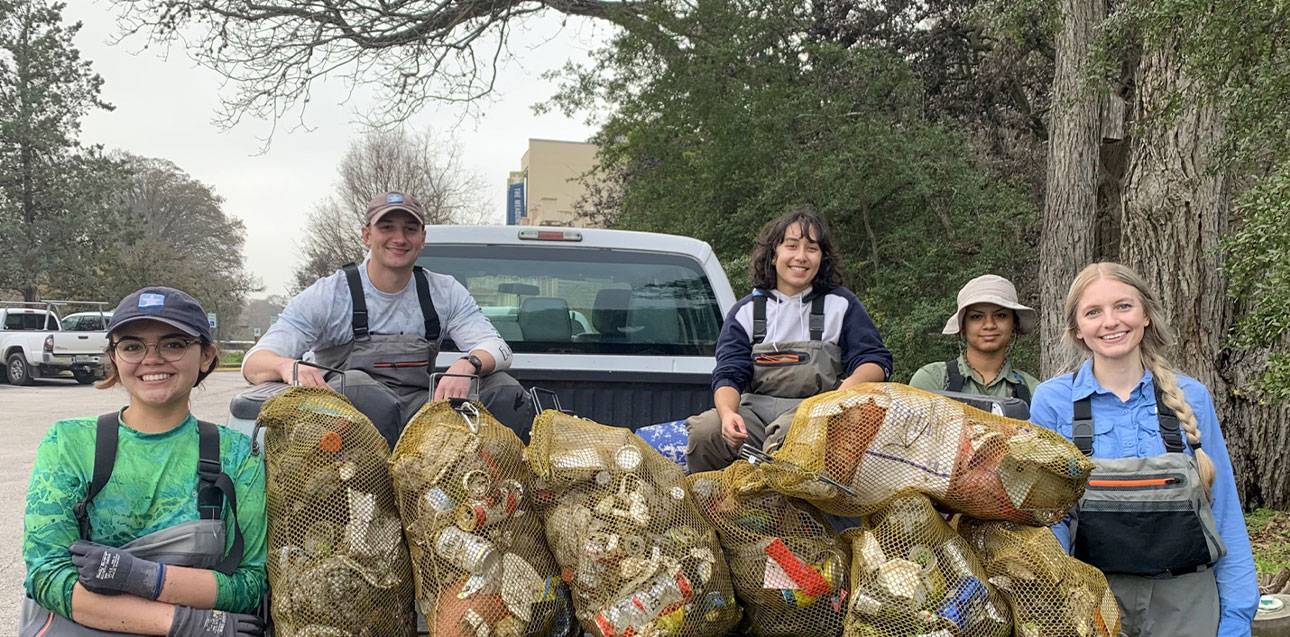
Litter, Pollution & Pet Waste
Heavy recreation can leave behind trash, microlitter, pet waste, and other pollutants that enter the river directly or are carried in by stormwater. Pet waste can add bacteria and excess nutrients to waterways, while small debris is easily overlooked, difficult to remove, and can degrade habitat or create risks for wildlife.