

Spring Lake and the San Marcos River are sustained by springs flowing from the Edwards Aquifer. This clear, continuously flowing water supports endangered species that depend on stable flow and temperatures. During drought, reduced recharge and increased water demand can lower spring flow, placing added stress on the river ecosystem.
A Spring-Fed System Under Pressure

Current Conditions
Drought conditions and river flow can change throughout the year. Explore the latest data to see how current conditions are affecting the San Marcos River system.
Current Drought Conditions
View the latest U.S. Drought Monitor conditions for Hays County.
View Full Hays County Drought DataCurrent Springflow
View today’s San Marcos Springs flow and recent aquifer conditions.
View Full Aquifer Conditions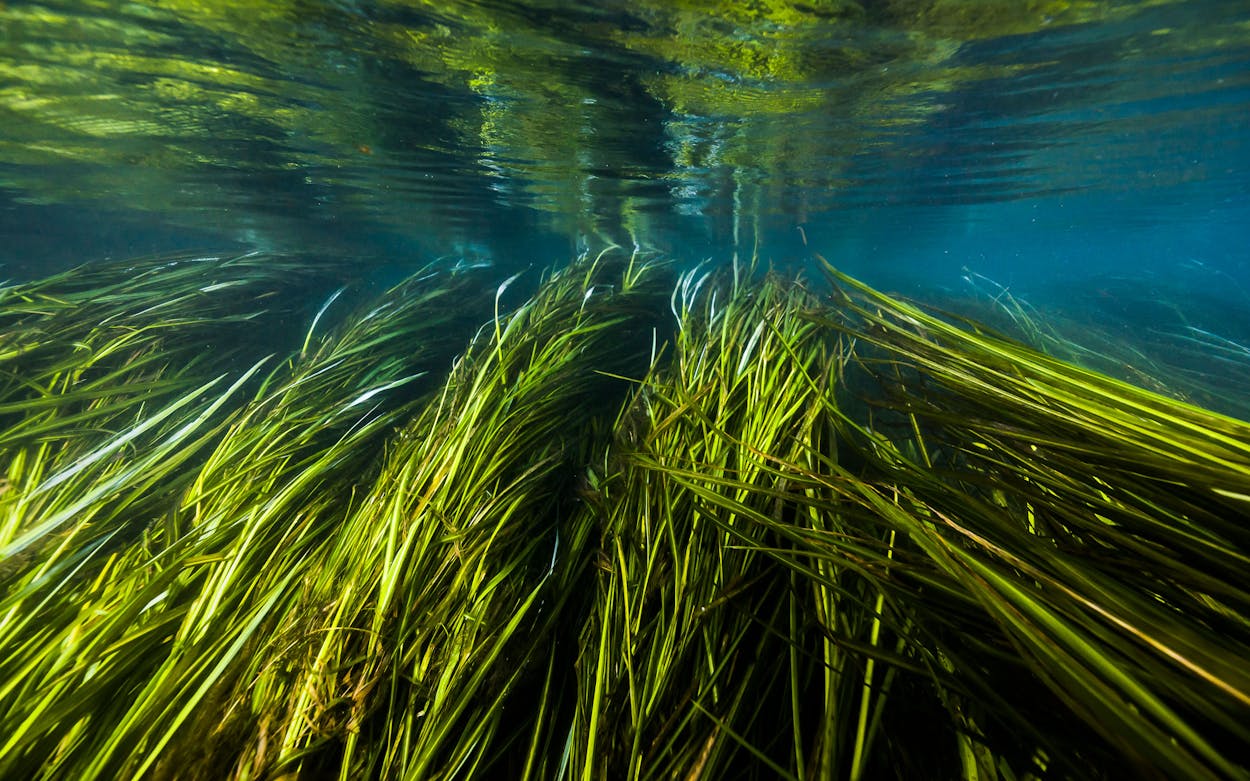
Why Flow Matters
Aquatic Habitat
Springflow helps maintain the clear, flowing habitat that aquatic plants and animals depend on throughout Spring Lake and the upper San Marcos River. These conditions support native vegetation that provides food, shelter, and habitat for fish, salamanders, and other aquatic life. When springflow declines, the amount and quality of available habitat can also decrease.
Why Flow Matters
Endangered Species
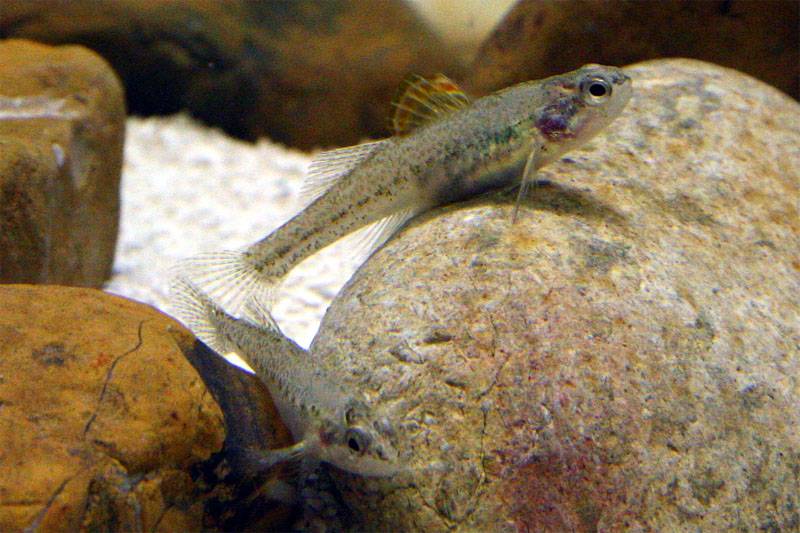
Spring Lake and the upper San Marcos River provide critical habitat for several federally listed species, including Texas wild-rice, fountain darters, and San Marcos salamanders. These species depend on clear, clean spring water, stable temperatures, aquatic vegetation, and dependable flows for feeding, shelter, and reproduction. When springflow declines, these specialized habitat conditions can also be reduced.
Why Flow Matters
A Connected System
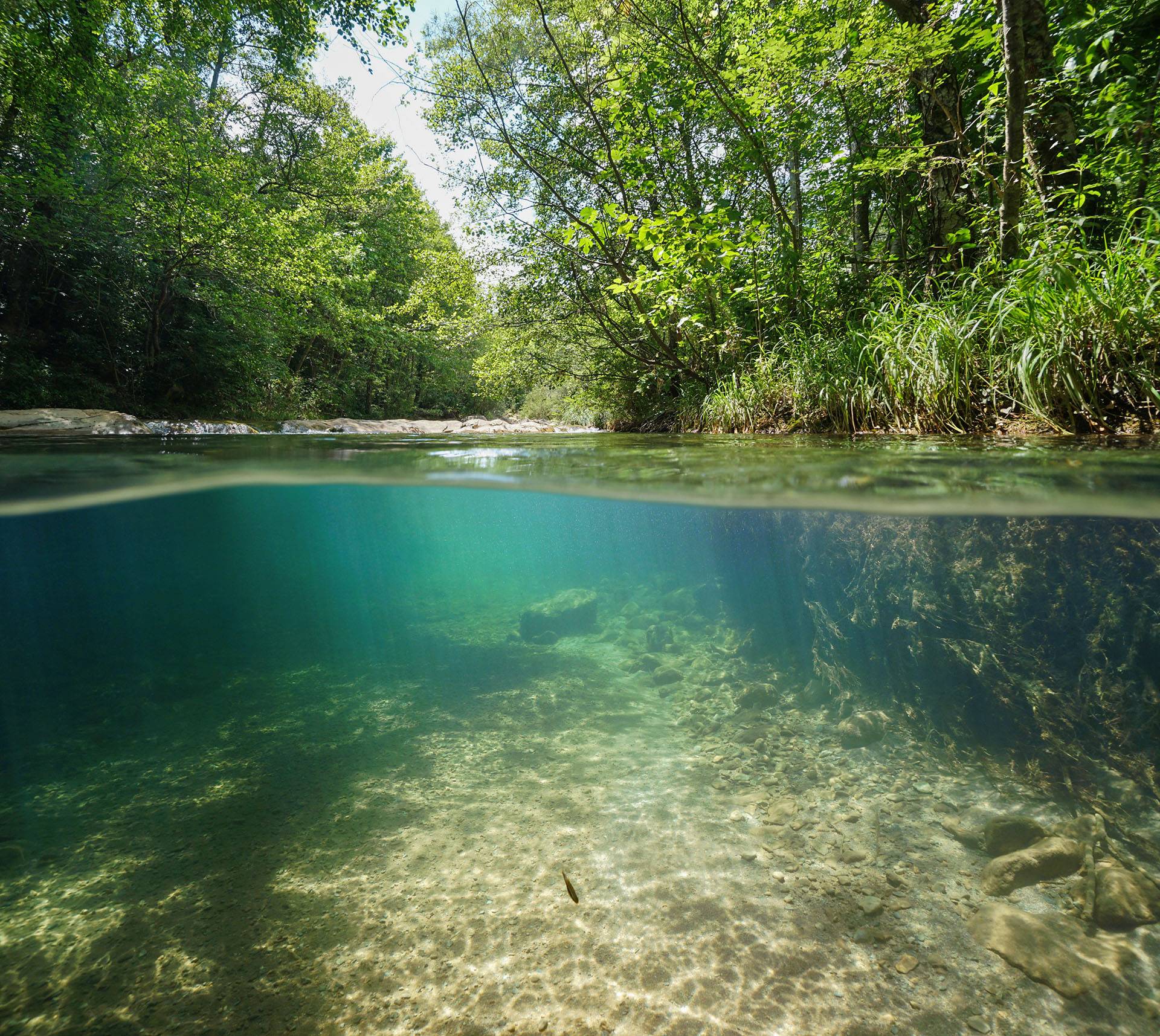
The San Marcos River begins where groundwater from the Edwards Aquifer emerges at Spring Lake through more than 200 springs, flowing from three large fissures and many smaller openings. Because the aquifer, springs, lake, and river are directly connected, changes in groundwater levels can affect springflow, water conditions, and aquatic habitat downstream. Understanding this connection is key to understanding how drought can shape the health and resilience of the entire San Marcos River system.