

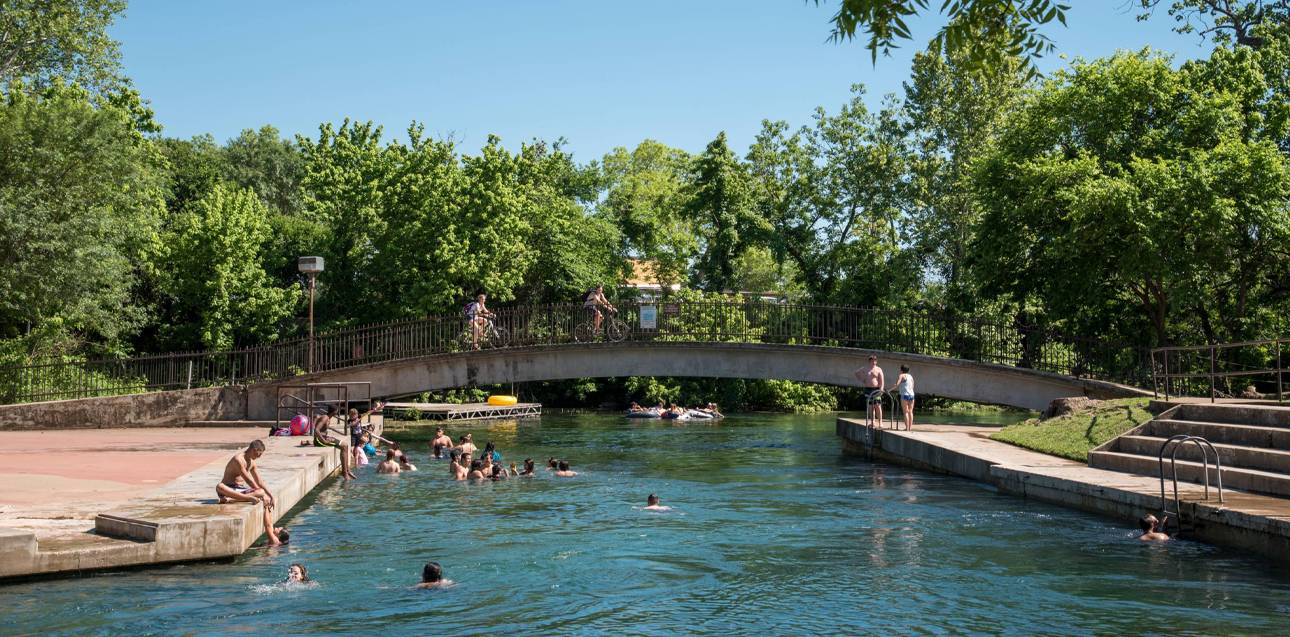
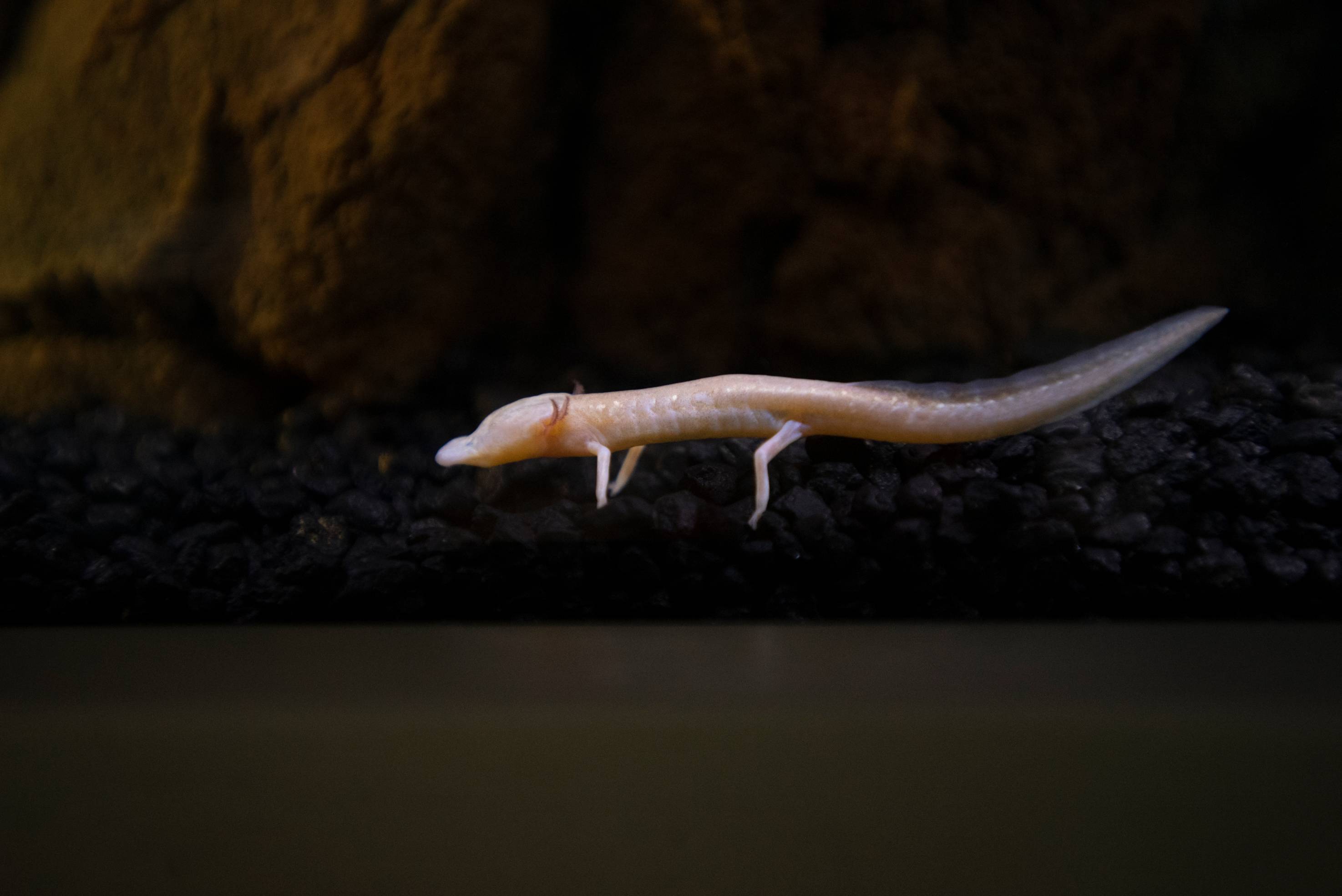
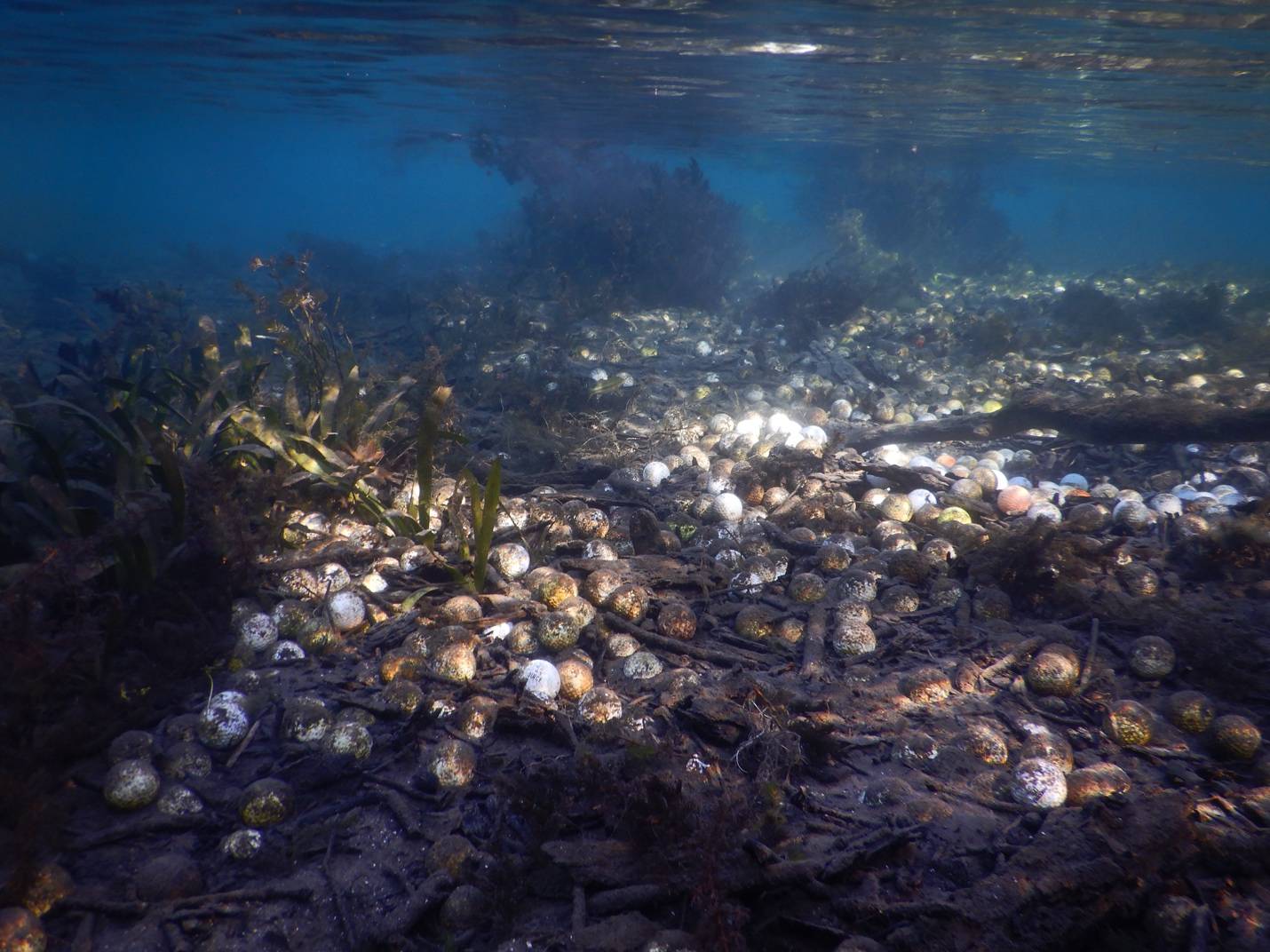
RESA is a collaborative, university-guided source of education, outreach, and resources supporting a healthy and resilient San Marcos springs, river, and watershed. We help Texas State students, staff, faculty, and visitors understand how to respect and protect this unique ecosystem.
FAQs
Find answers to common questions about the San Marcos River, recreation, safety, and responsible stewardship.
-
About the River
-
Is the water safe to swim in?
Yes, the San Marcos River is generally safe for recreation. Conditions can vary after heavy rain, so checking local advisories is always a good idea.
-
What is the “seaweed"?
That seaweed is actually Texas wild-rice, an endangered aquatic grass found only in the San Marcos River. It plays a critical role in maintaining water quality and providing habitat for wildlife.
Texas wild-rice and other aquatic vegetation are important parts of the river ecosystem, but they are sensitive to disturbance. Please swim around plant beds rather than through them to help protect critical habitat.
-
Does rain “refill” the river?
Not exactly. The San Marcos River is spring-fed, so it depends on the Edwards Aquifer, not direct rainfall. Rain does help recharge the aquifer through recharge zones in the San Marcos watershed, but that process takes time.
In the meantime, heavy rain can actually hurt the river. Stormwater runoff flows over roofs, streets, and parking lots, picking up litter, oils, chemicals, and pet waste along the way, then drains directly into the San Marcos River, untreated and unfiltered. What goes here, flows here.
-
Where does the water come from?
The San Marcos River is spring-fed by the Edwards Aquifer, one of the most important groundwater systems in Texas. It begins at Spring Lake, where clear spring water emerges from the aquifer.
-
Is the river healthy?
Yes, but its health depends on us. During drought, lower spring flows put extra stress on the river’s ecosystem. Responsible recreation and conservation help keep the river resilient during these times.
-
-
River Recreation FAQs
-
Where can I find the complete river recreation rules?
For the full list of rules and guidelines, visit the Sewell Park Policies page on the Texas State Campus Recreation website.
-
Can I fish in Sewell Park?
Yes, but fishing is only permitted from the watercraft access dock. Fishing from bridges or in areas marked with “No Fishing” signage is prohibited.
Campus Recreation activities have priority use of the dock, so anyone fishing must give right-of-way to watercraft users and program participants. University employees may also restrict fishing or other informal use of the dock when necessary.
Do not release fish, baitfish, plants, or other aquatic organisms into the San Marcos River.
-
Can I bring or consume alcohol in Sewell Park?
No. Alcohol may not be displayed or consumed anywhere within Sewell Park.
-
What kinds of containers can I bring to the river?
Glass containers are prohibited on Texas State University property and within university-managed areas of the San Marcos River, including Sewell Park and the Headwaters.
While there is no formal ban on single-use disposable containers in these areas, visitors are strongly encouraged to use reusable bottles and containers. City of San Marcos rules may apply if you enter the river from university property and exit at a city park, where single-use disposable containers could result in a fine. Help protect the river by choosing reusable items and keeping all trash out of the water.
-