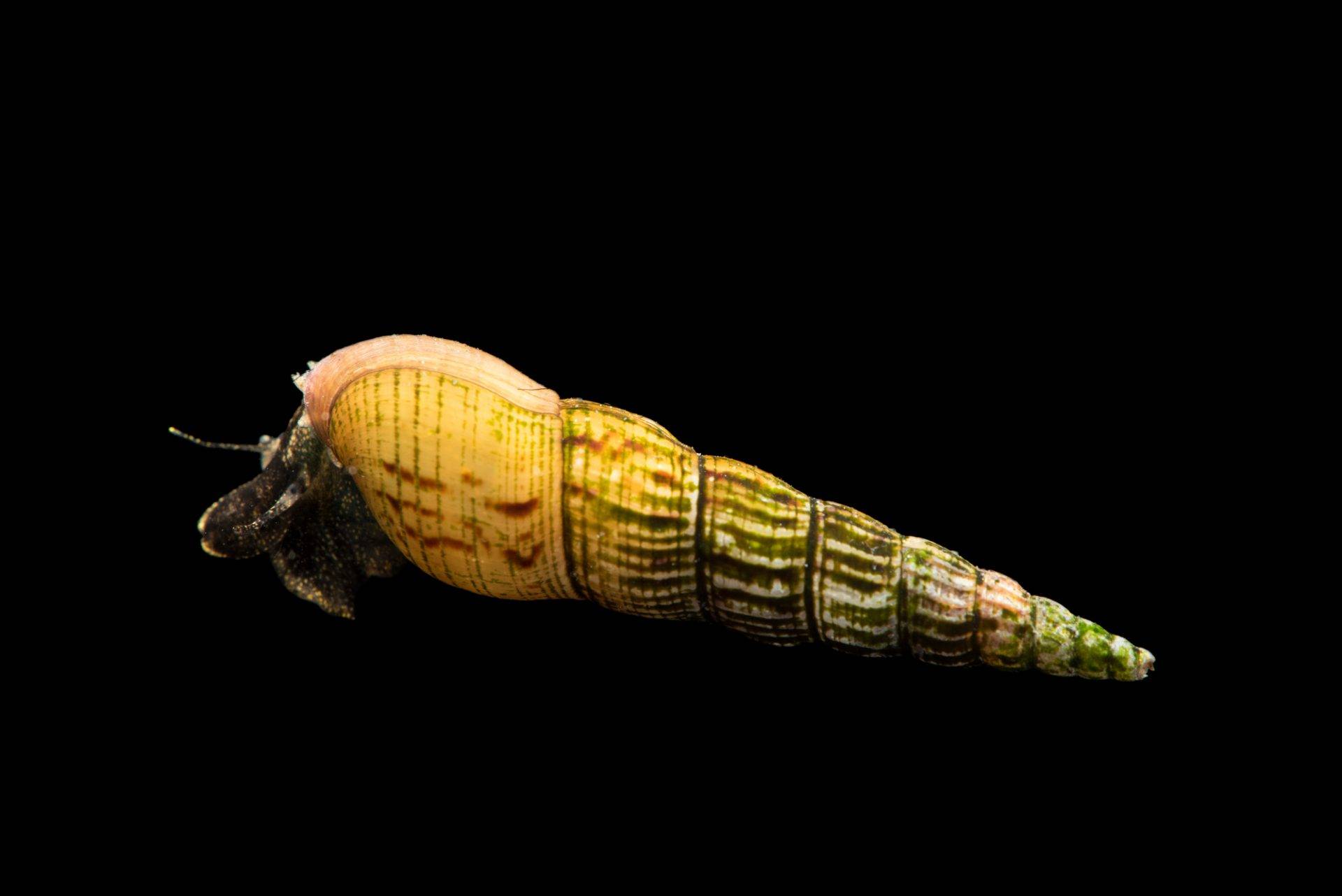

Invasive plants and animals can alter habitat, compete with native species, and disrupt the ecological balance of Spring Lake and the San Marcos River. Managing these species is especially important in a system that supports endangered and endemic wildlife.
A Growing Threat to Native Habitat
Why Invasive Species Matter
Invasive species can change how the San Marcos River ecosystem functions by competing with native species, altering habitat, and spreading across aquatic and riparian areas.
Competition
They Compete with Native Species
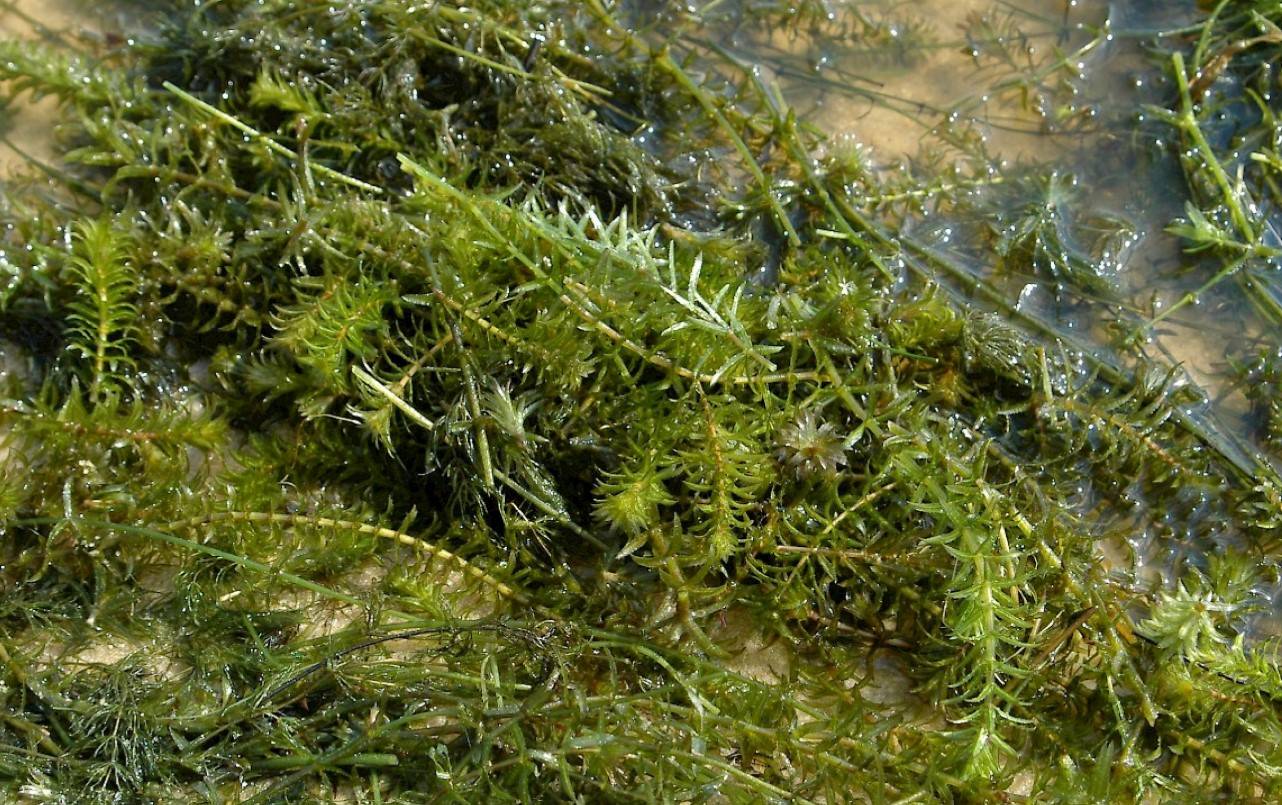
Invasive aquatic plants can compete with native vegetation for space, sunlight, and access to the riverbed. Species such as hydrilla grow rapidly and can form dense stands that shade nearby plants, limiting the light they need for photosynthesis and making it harder for native species to establish and grow.
Habitat Change
They Alter Habitat
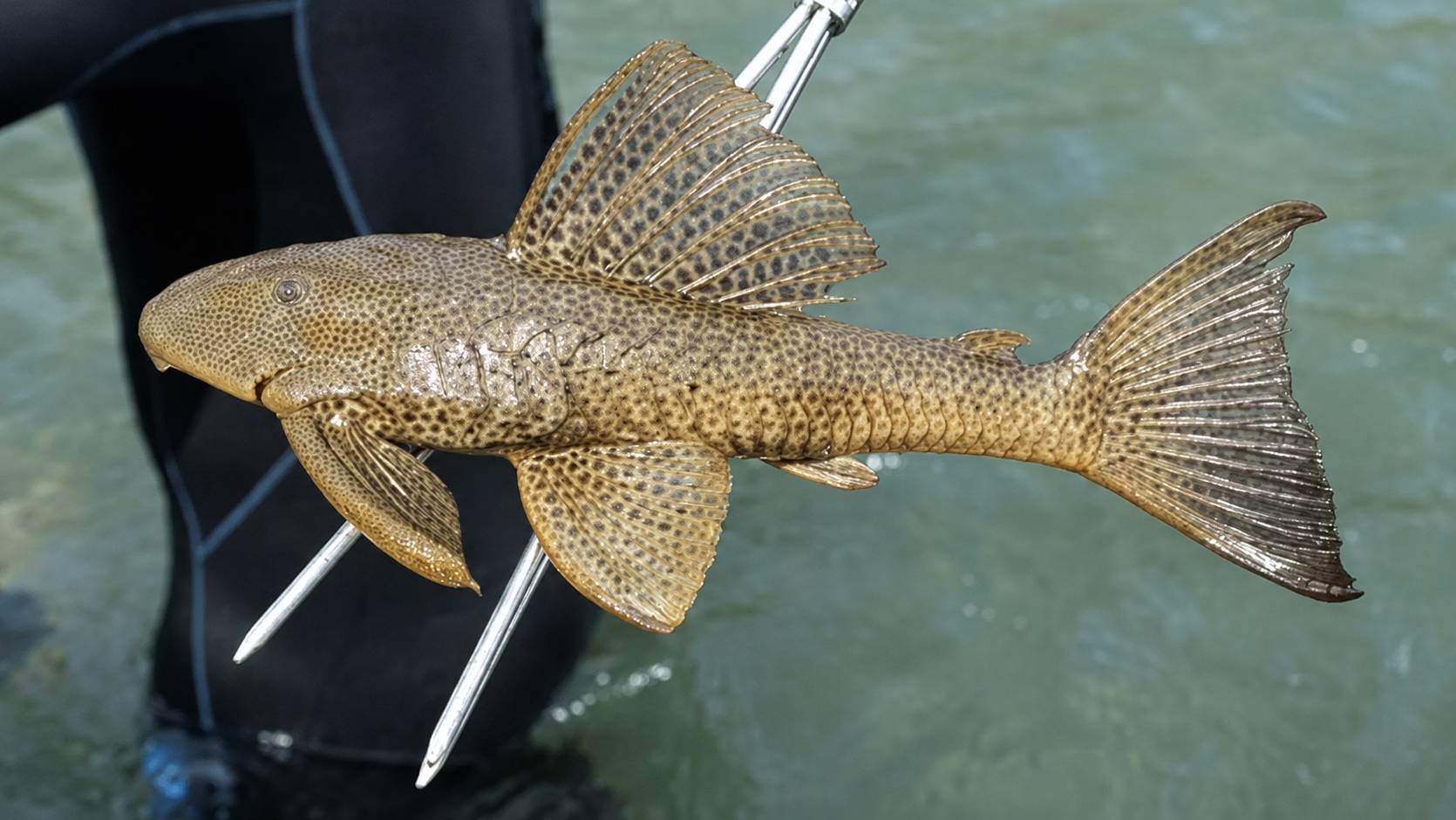
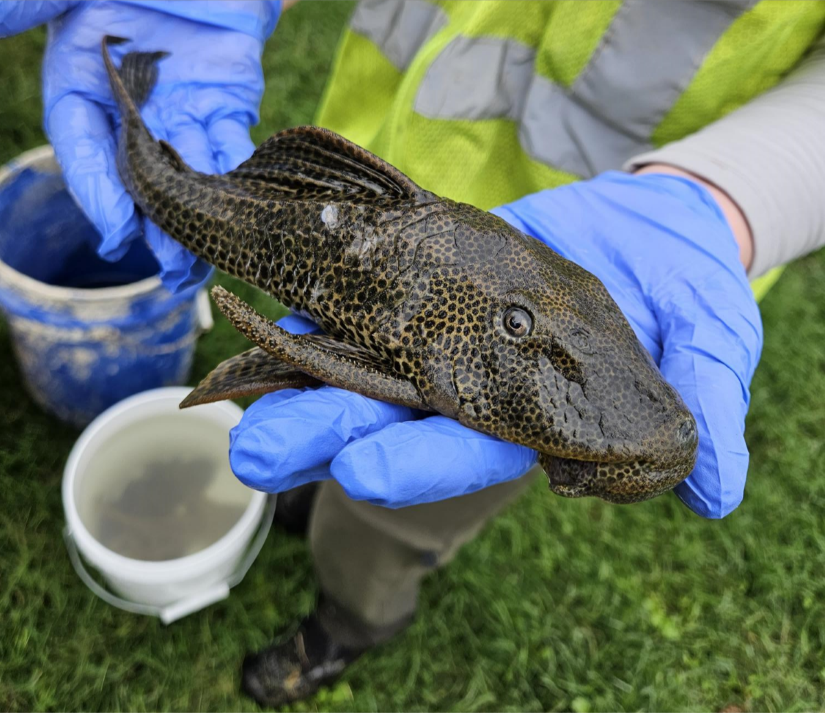
Invasive species can physically change the places native plants and animals depend on by modifying riverbanks, riverbeds, water movement, and vegetation structure. In the San Marcos River, suckermouth armored catfish are one example: their burrowing can weaken riverbanks and contribute to erosion.
Growing Reach
They Spread Across Water and Land
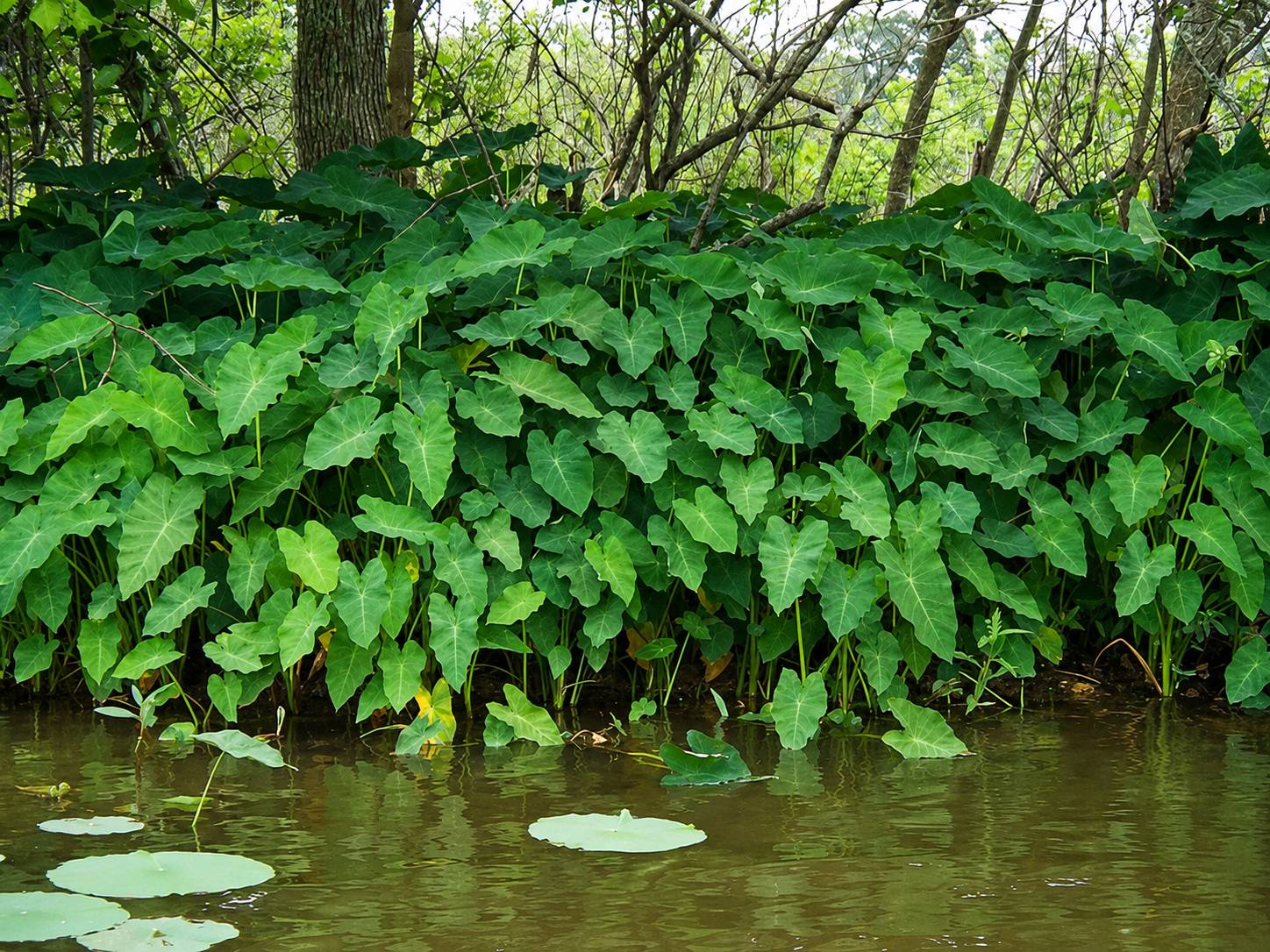
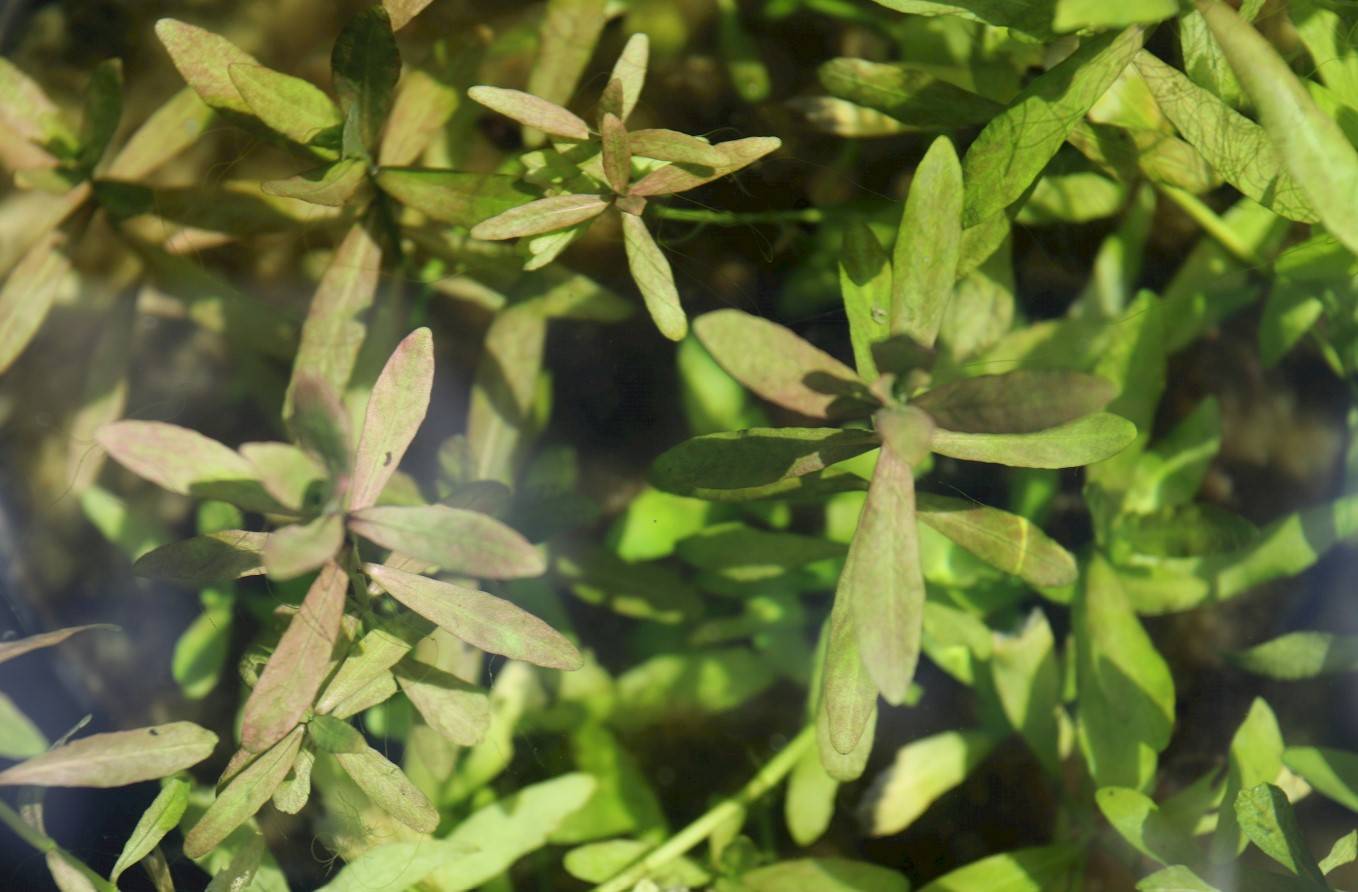
Invasive species can expand into both aquatic and riparian habitats, allowing them to occupy new areas and become increasingly difficult to control. In the San Marcos system, examples include water lettuce and hygrophila in the river and elephant ears and ligustrum along the banks.
Invasive Species to Know
The San Marcos River system is home to a number of invasive plants and animals. The examples below highlight some of the species currently affecting aquatic and riparian habitats.