

Where Does Our Water Come From?
TXST operates and manages of variety of water sources in order to support daily operations for all campus users. These water sources include: the Edwards Aquifer, the San Marcos River, and the City of San Marcos.
Groundwater
-
What does "groundwater" mean?
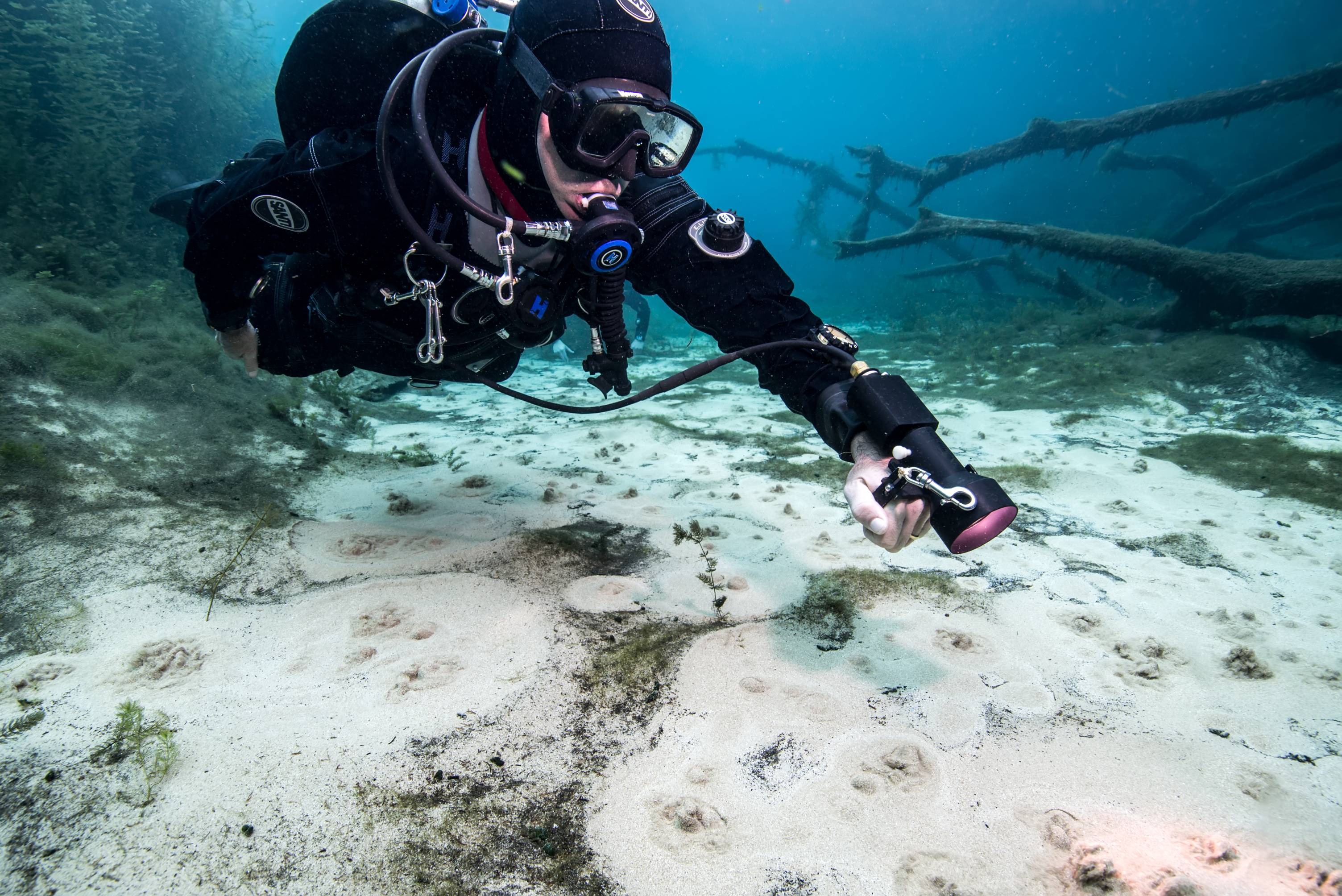
Groundwater is the water that soaks into the ground and fills the spaces between soil, sand, and rocks. It is stored underground in geological features called aquifers and is an important source of water for drinking, agriculture, and natural ecosystems.
-
What is the Edwards Aquifer?
The Edwards Aquifer is a vital underground water resource in Central Texas, providing water for millions of people, supporting agriculture, and maintaining ecosystems. Its limestone composition and extensive recharge and artesian zones make it one of the most productive aquifers in the world, but it faces challenges from overuse and pollution. Texas State University gets most of its water from wells pulling from the Edwards Aquifer.
-
What is our groundwater permit & what does that mean for usage?
Texas State University has a groundwater permit to pump from several local and natural sources, including the Edwards Aquifer. This permit outlines the amount of water that can be pumped by the university each day. Droughts and critical spring flow rates also dictate the amount of groundwater that can be extracted by the University, with reductions in usage determined at each drought stage.
Surface Water
-
What is surface water?
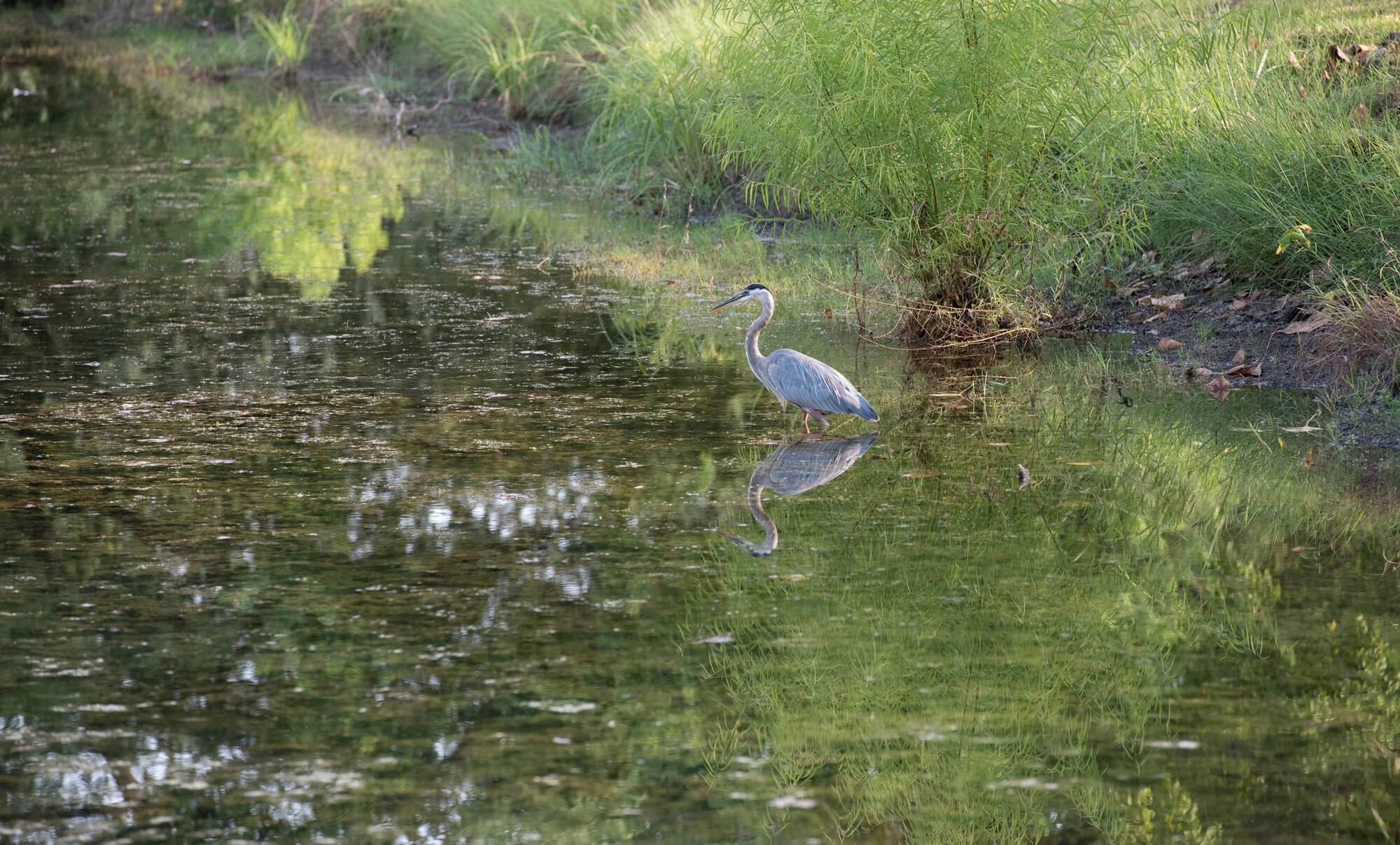
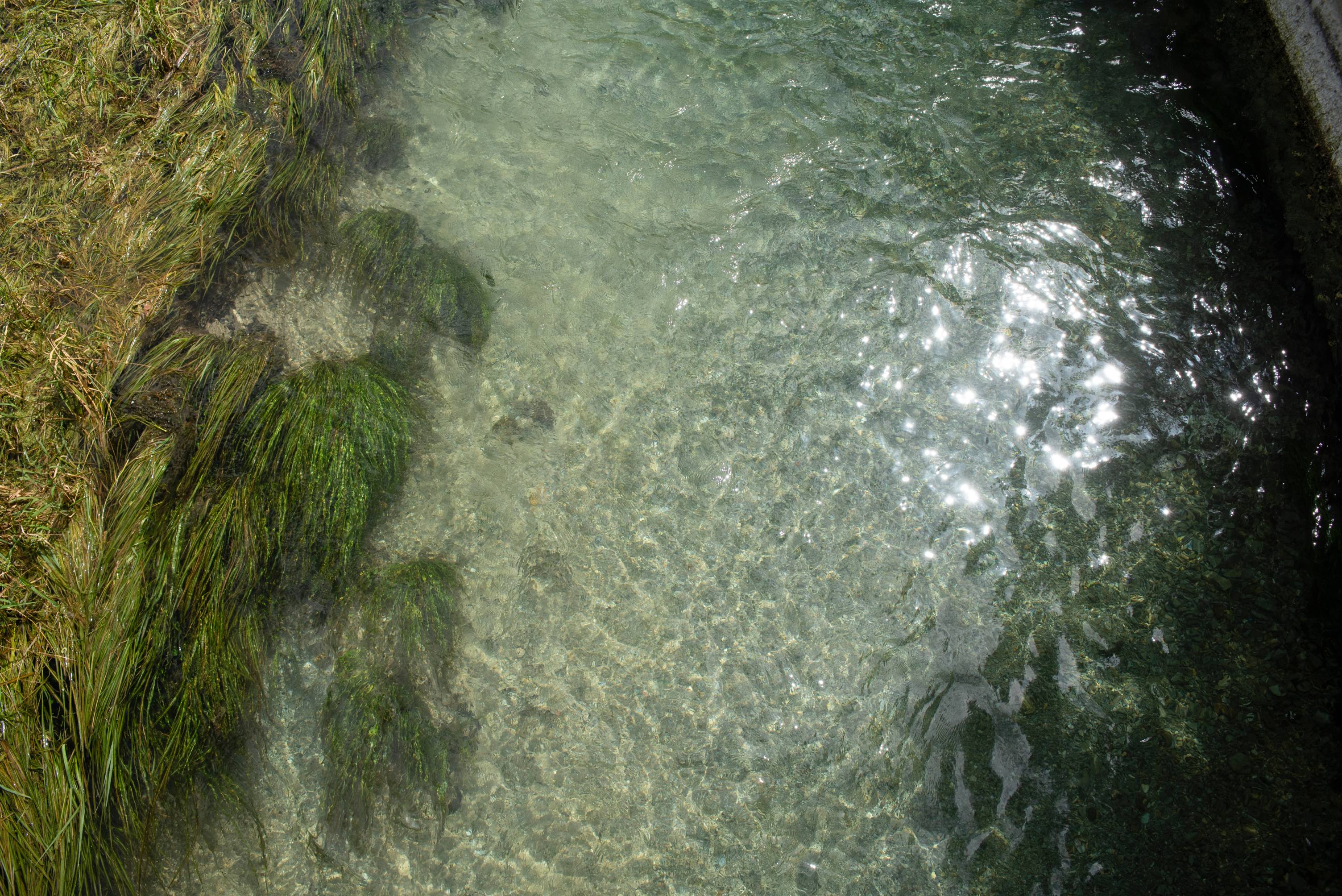
Surface water is any fresh water source on the earth's surface, such as lakes, rivers, ice and snow. It is a crucial feature of wetland ecosystems and provides natural habitat, water for agricultural and drinking use, and shapes the natural world through erosion and sedimentation.
-
Where does our surface water come from?
Texas State’s surface water comes from Spring Lake and the San Marcos River.
-
How does Texas State use this surface water?
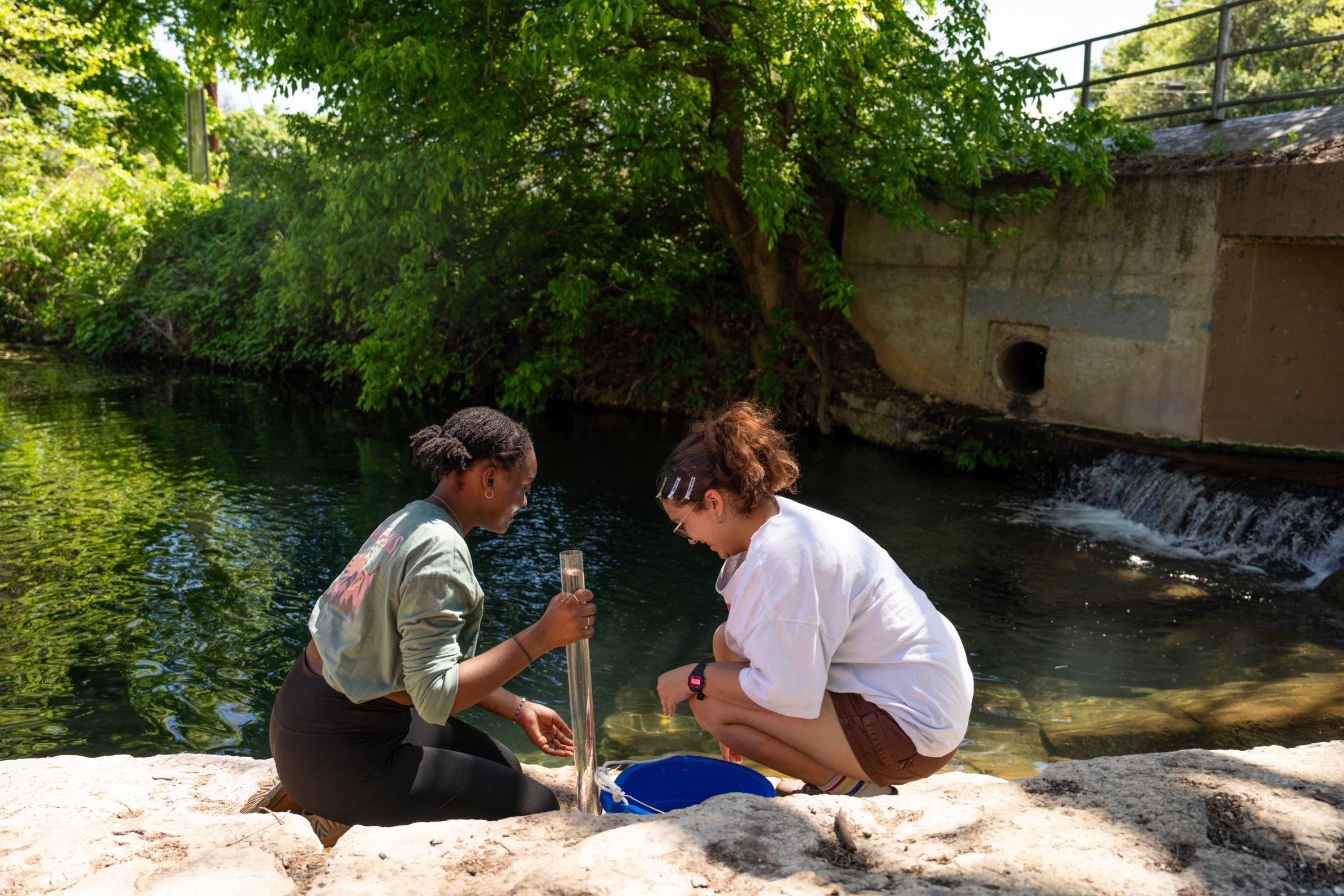
Texas State University diverts surface water for irrigation, and for maintenance of ponds on campus. This use is determined by the flow rate of the San Marcos River.
Reclaimed Water
-
What is reclaimed water?
Reclaimed water, also known as recycled or reused water, is wastewater that has been treated and purified so that it can be used again for various purposes. This process helps conserve water by making it possible to reuse water that would otherwise be discharged as surface water.
-
Where does our reclaimed water come from?
The City of San Marcos wastewater treatment facility provides reclaimed water to customers in the area. This water is authorized for non-potable use only, as industrial process water, dust control, and irrigation.
TXST is currently investigating ways to implement reclaimed water use across campus in order to reduce dependence on groundwater for non-potable uses.
Why Is Sustainable Water Usage Important?
Nearly every part of Texas has been affected by drought since 2010, according to drought monitoring sources.
Droughts are caused by extended periods of reduced rainfall and higher-than-average temperatures, but they can be worsened by human behavior. Poor water management and over pumping are examples of anthropogenic, or human-induced, factors that can exacerbate drought conditions.
Population growth, and the urban development associated with it, can also worsen drought conditions by increasing water demand, changing water quality, and changing groundwater and surface water recharge rates. The need to use water responsibly and efficiency will only increase as Texas' population continues to grow.
Drought and Water Restrictions
Droughts occur when the rate of aquifer recharge falls below the level necessary to maintain regular spring flow. The Edwards Aquifer Authority designates drought stages according to changes in spring flow and well levels decrease. Texas State University and other water permit holders must reduce their water usage when a drought stage is announced. The higher the drought stage, the larger the reduction.
Texas State Facilities takes steps to reduce water consumption at all times, regardless of drought stage. Additional steps such as turning off outdoor fountains and pausing powerwashing activities are implemented when the university enters drought stages.
However, much of the additional reduction in water usage during high drought stages must come from individual users. That is why the Office of Sustainability works to keep campus residents and visitors informed of the drought stage system and the influence that individual actions can have on a system-wide scale.
Current Aquifer Status:
The Edwards Aquifer Authority shares real-time updates on San Marcos spring flow.
Drought stages will change along with changes in the aquifer level.
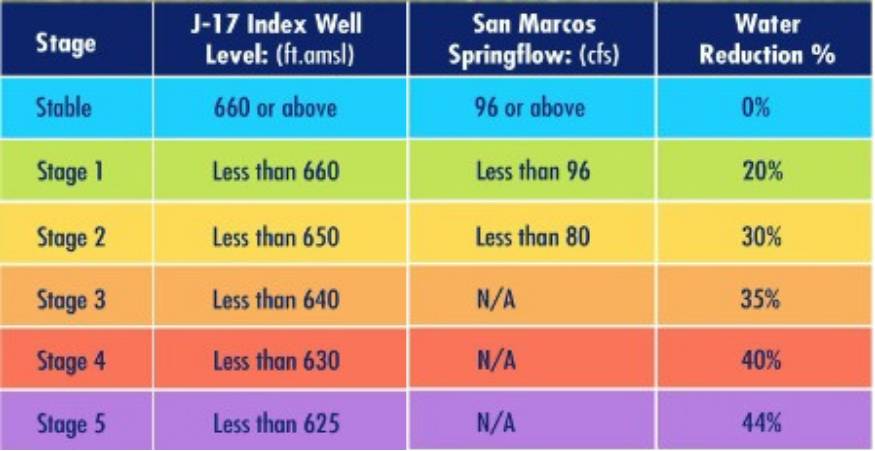
Texas State must reduce water consumption according to the current drought stage.
How Do We Use Water?
Irrigation
Conservation strategies in practice include new irrigation design and sprinklers, soil moisture sensors, native plants that are drought resilient, and xeriscaping practices. Several rainwater catchment systems have been installed on the San Marcos campus to collect rainwater to be used for the irrigation of gardens.
Buildings & Facilities
TXST implements several sustainable water practices within buildings, such as automatic shut-off faucets and low-flow flush toilets in academic buildings. Residential Halls incorporate sustainable water practices through the use of low-flow shower nozzles, high-efficiency laundry equipment, and low-flow flush toilets. Messages about water conservation efforts and drought updates are disseminated among student’s faculty, and staff, encouraging the campus community to use less water.
Utilities Operations
Water is used in the heating and cooling of buildings on campus. At thermal plants located across campus, boilers and heat exchange units create steam and chilled water which is distributed across campus to keep our buildings safe and comfortable in all conditions.
Buildings and Facilities, cont.
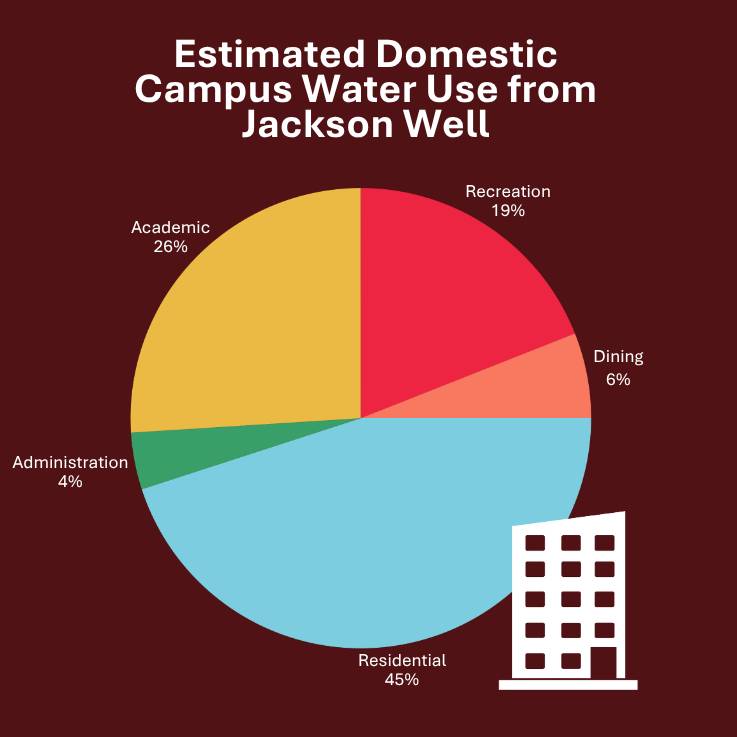
Approximately 60% of groundwater utilized on campus goes to domestic uses in our buildings and facilities, as opposed to industrial uses such as irrigation, heating/cooling and fire suppression.
Of that 60%, roughly half is used in Residential Halls. Bobcats living on campus can adopt daily practices to help conserve water on an individual and community-wide scale.
Residents can shorten shower time and turn the tap off while brushing your teeth or shaving. Washing laundry in full loads can take advantage of the water amount in each cycle, and using cold water can save energy.
Becoming a water steward begins with weaving conservation into everyday habits!
Water Conservation Tips
Here are some tips for how to save water on campus and at home
help stop the waste of water
If you observe a water leak on campus, please submit a report using the form below. Prompt reporting helps us ensure timely repairs and supports the university’s commitment to sustainability.