
Where does everything go?
In 2024, Texans sent over 41,321,494 tons of waste to landfills. That's roughly 7.2 pounds of waste per Texan per day! Trash from the San Marcos campus goes to a landfill near Buda, TX.
Fortunately, there are ways to cut this waste down! Texas State’s Waste Management program utilizes several programs to divert waste from the landfill for safe and beneficial reuse:
Texas State Waste Diversion Programs
Recycling
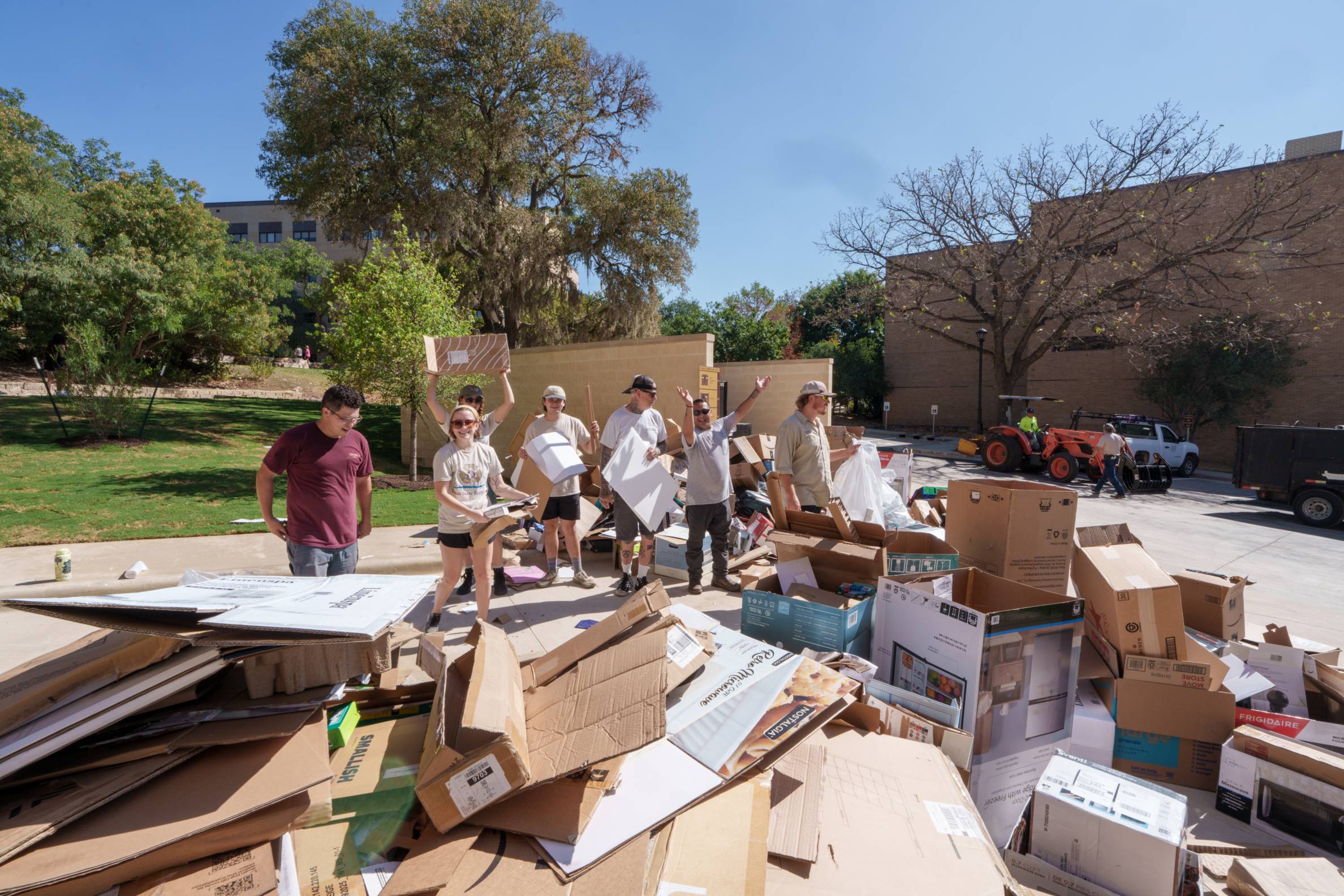
Single-stream and cardboard recycling is provided across campus by the Facilities Waste Management and Recycling team.
Composting
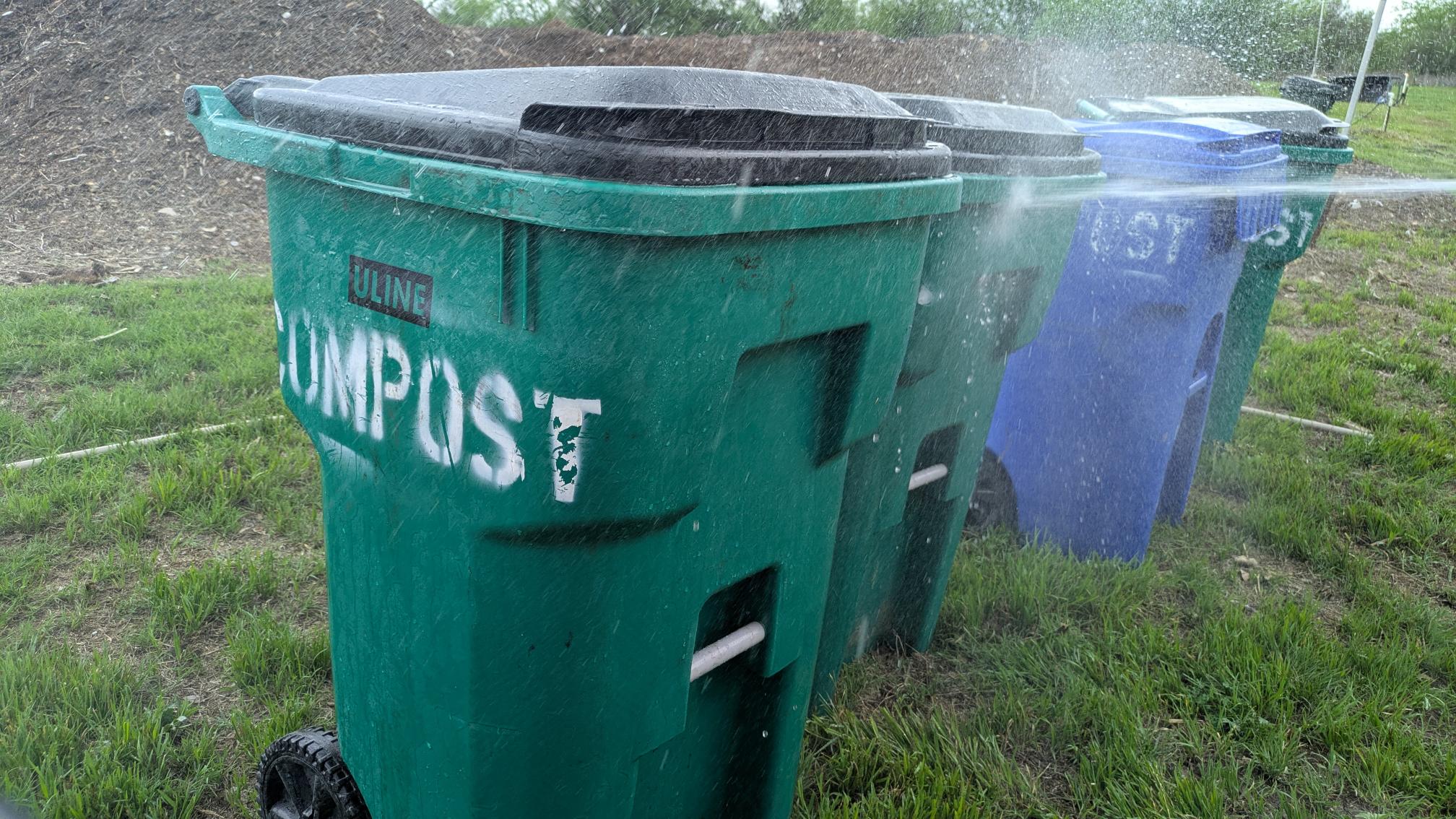
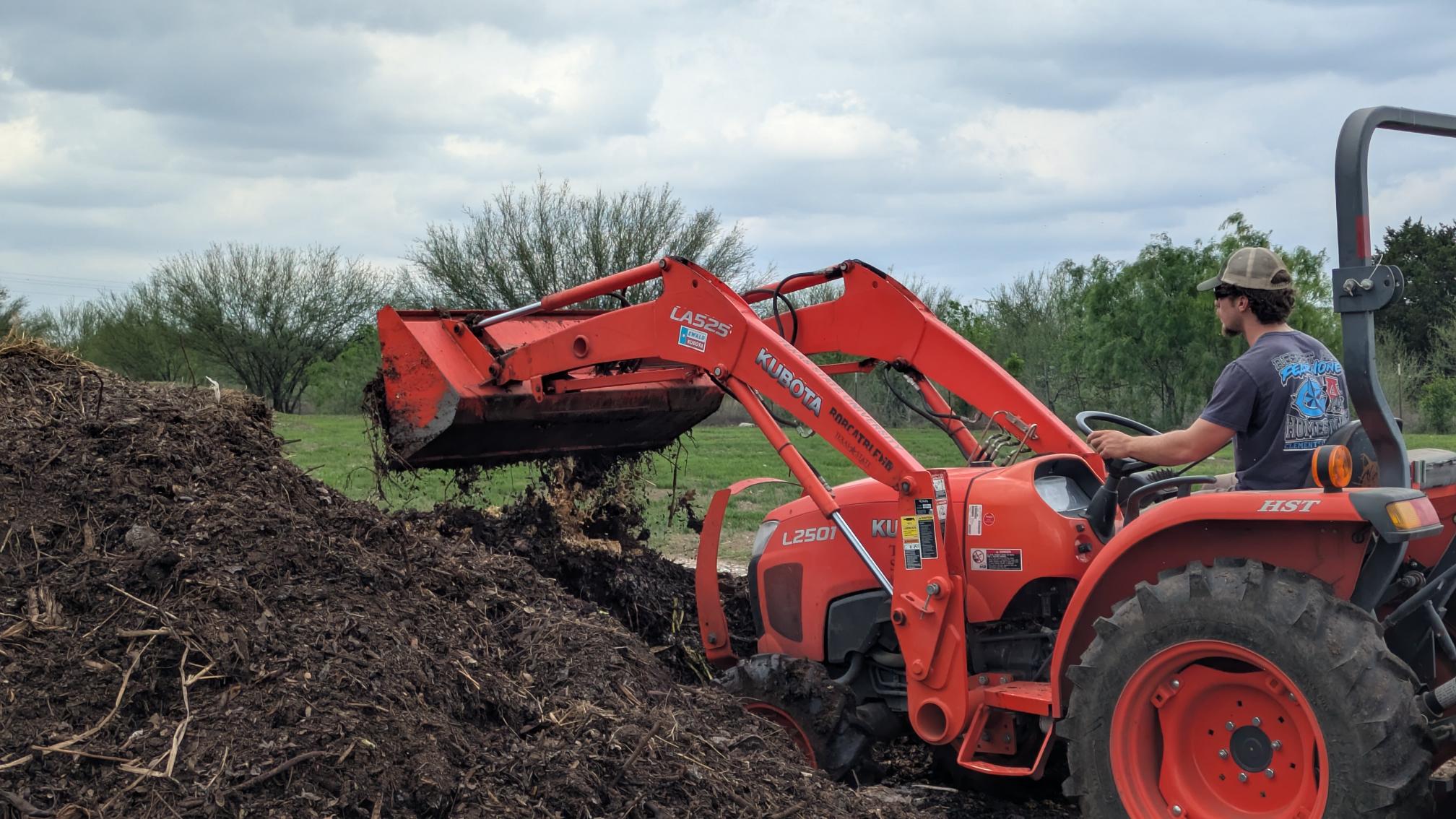
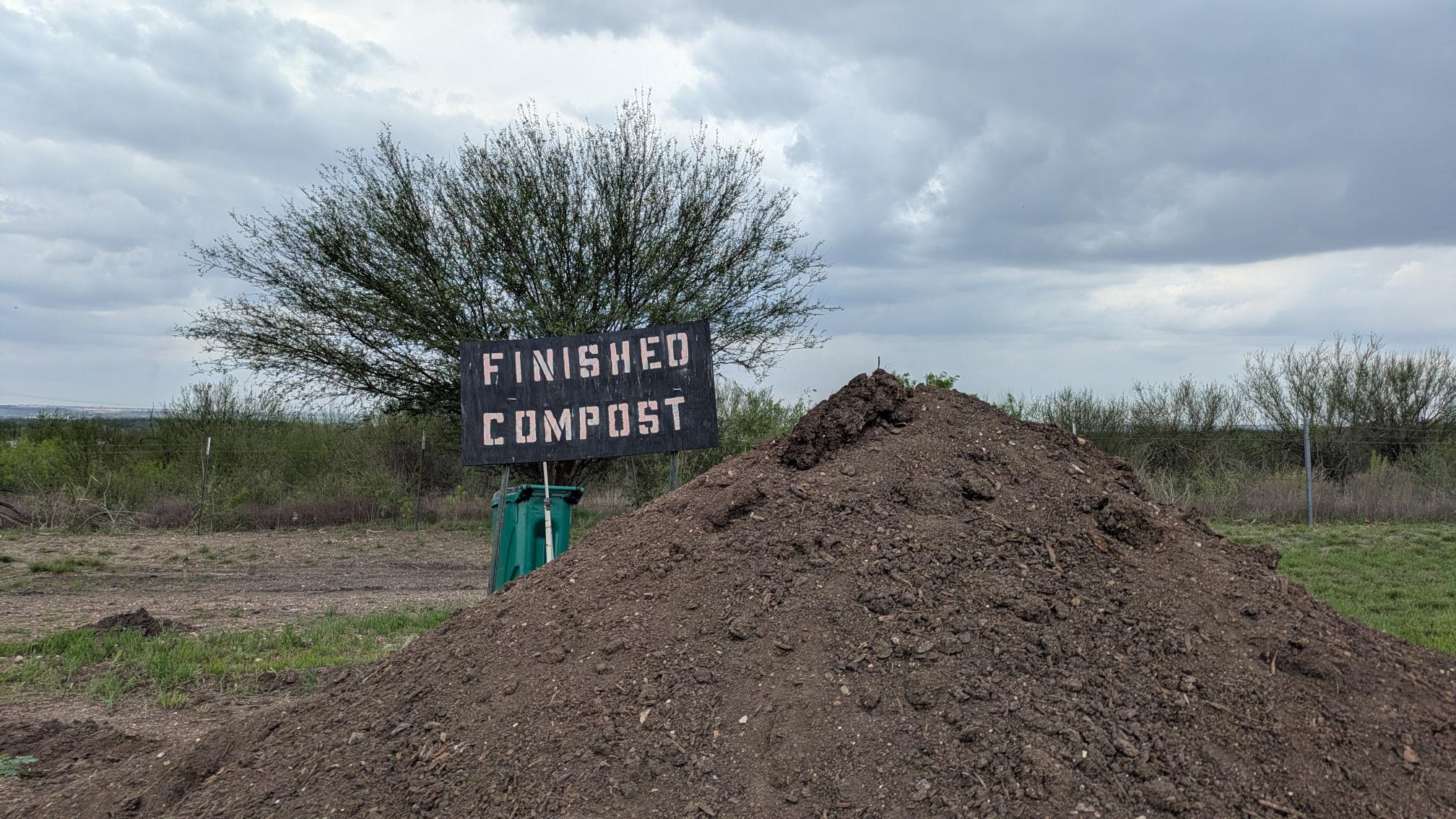
Bobcat Blend is TXST's student-run composting program. This team combines yard trimmings and food waste collected on campus to create a valuable natural resource.
Electronics
Small electronics and batteries, as well as printer toner cartridges, go into the green bins across campus. Collection of these items, and bulbs, is managed by EHSREM.
Surplus
Staff and faculty on campus can request the pick-up and re-use of surplus furniture and large equipment by Facilities Services Property Management.
Reduce, Refuse, Reuse, Recycle
Connecting with friends and neighbors to share goods can help save money and reduce waste. And buying secondhand and donating extra items supports a reuse economy!
Visit our Events page to find connection and reuse opportunities on campus.
Recycling on campus helps reduce waste and conserve natural resources by substituting old raw materials needed to make new items. Just recycling 10 plastic bottles can power a laptop for over 25 hours, and recycling one ton of paper saves 17 trees. College campuses produce over 4.6 million tons of waste each year, and much of it can be recycled.
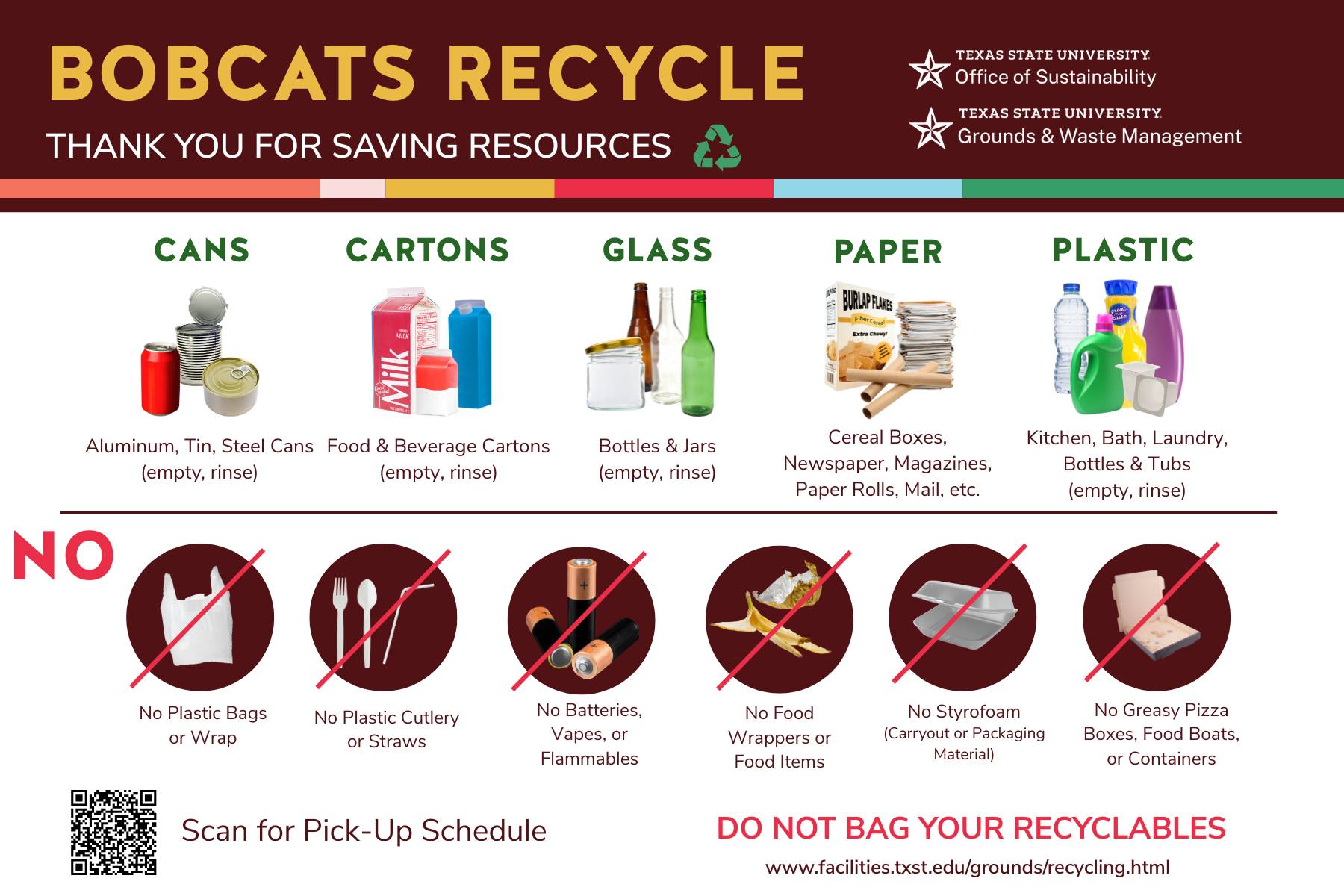
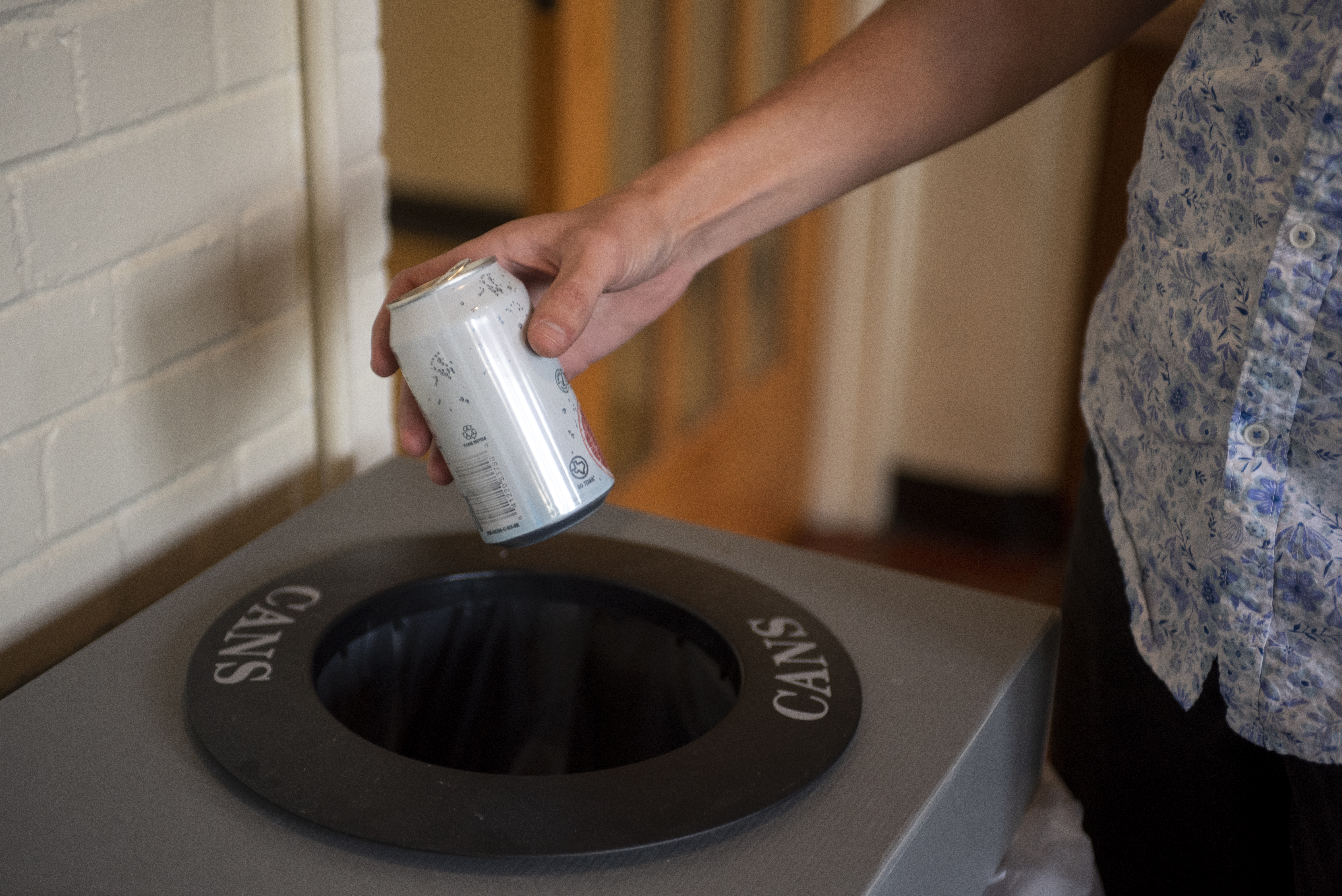
Texas State University's recycling program operates through a collaborative effort among campus departments. In partnership with these departments and Texas Disposal Service, Texas State Recycling strategically places single-stream recycling bins across campus, facilitating the collection of clean empty containers such as plastics #1-5, metal, aluminum, tin, and glass, as well as mixed paper and cardboard. Remember, materials must be clean and empty. WHEN IN DOUBT THROW IT OUT.
In 2025, the university recycled over 657,000 pounds of materials. Roughly 14 million pounds of material was sent to the landfill that same year.
Notably, Texas State has maintained a contamination rate of under 10% within its recycling program. Texas State competed in the Campus Race to Zero Waste competition in 2025 and recycled 61,900 lbs. of material, or 30.1 tons over the competition period, equal to approximately 1.28 pounds per capita.
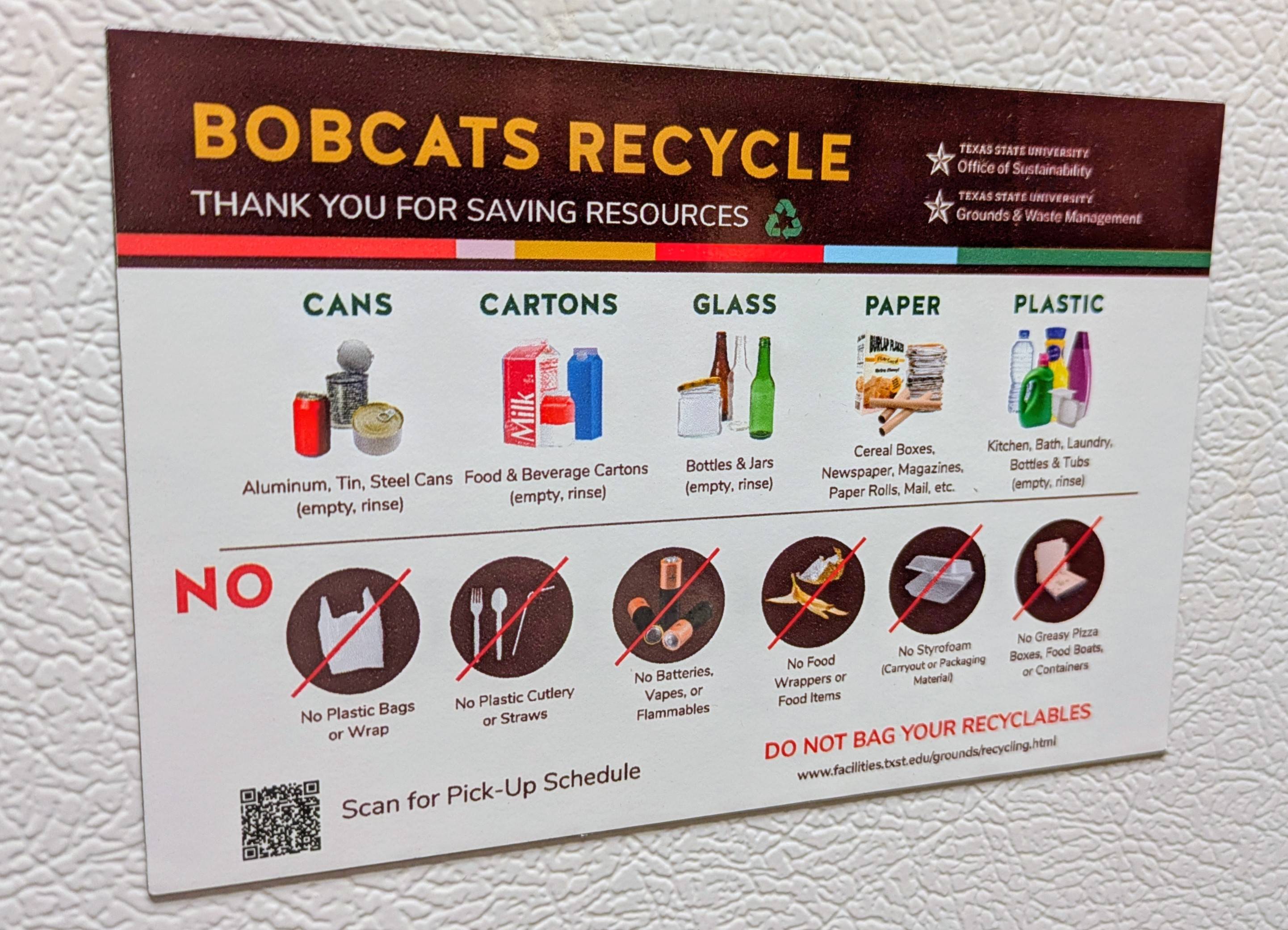
Get a Magnet!
Contact us for a magnet to remind you and/or your officemates what goes in your recycling bin.
Or, download a print guide below:
Composting
Food waste from kitchens in dining halls on campus is collected for composting by Bobcat Blend.
Bobcat Blend
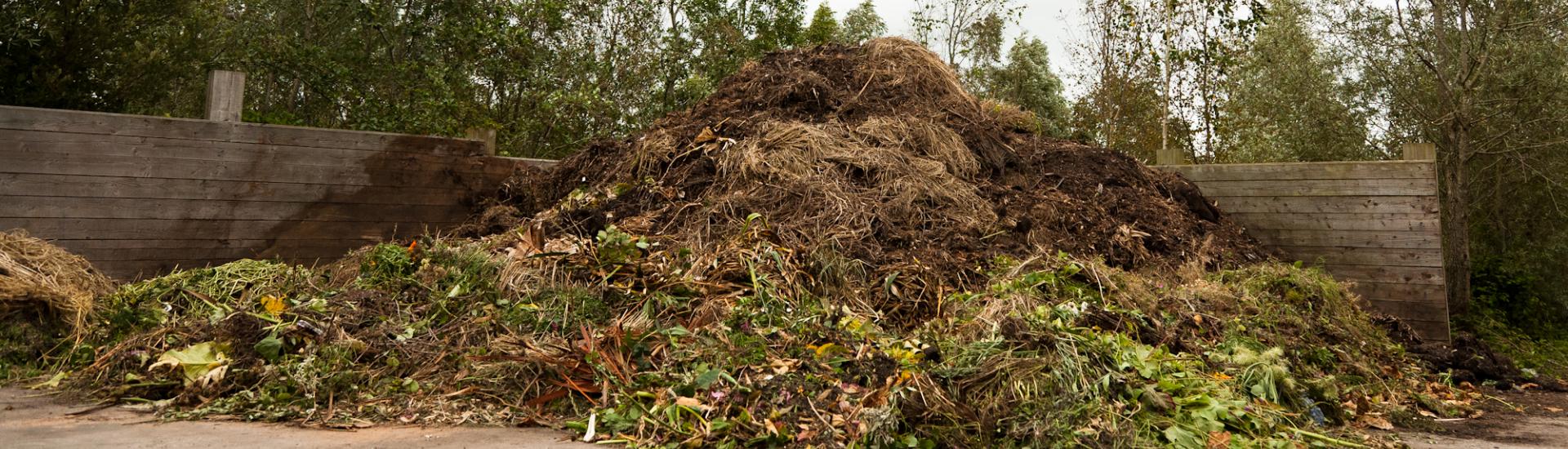
Bobcat Blend plays a crucial role in reducing the campus' waste production by collecting and composting food waste, yard waste, grass clippings, and materials from invasive species removal. This student-run, award-winning program began operating in 2010 and has composted over 800 tons of organic material.
Composting is the assisted decomposition of organic matter, and it allows nutrients to be reabsorbed into the soil and reused by plants and animals. This practice is vital to sustainable waste management because organic matter does not decompose effectively in landfills, leading to methane gas formation—a greenhouse gas 23 times more potent than carbon dioxide. Nearly a third of all waste produced in Texas could be composted, therefore programs like Bobcat Blend have the potential to make a tremendous impact.
Bobcat Blend also contributes to the University as a model research program for sustainable agricultural practices and organic farming, and emphasizes education through lectures, tours, employment, and volunteering opportunities.
Learn more how you can participate with composting on campus with Bobcat Blend!