
Grounds
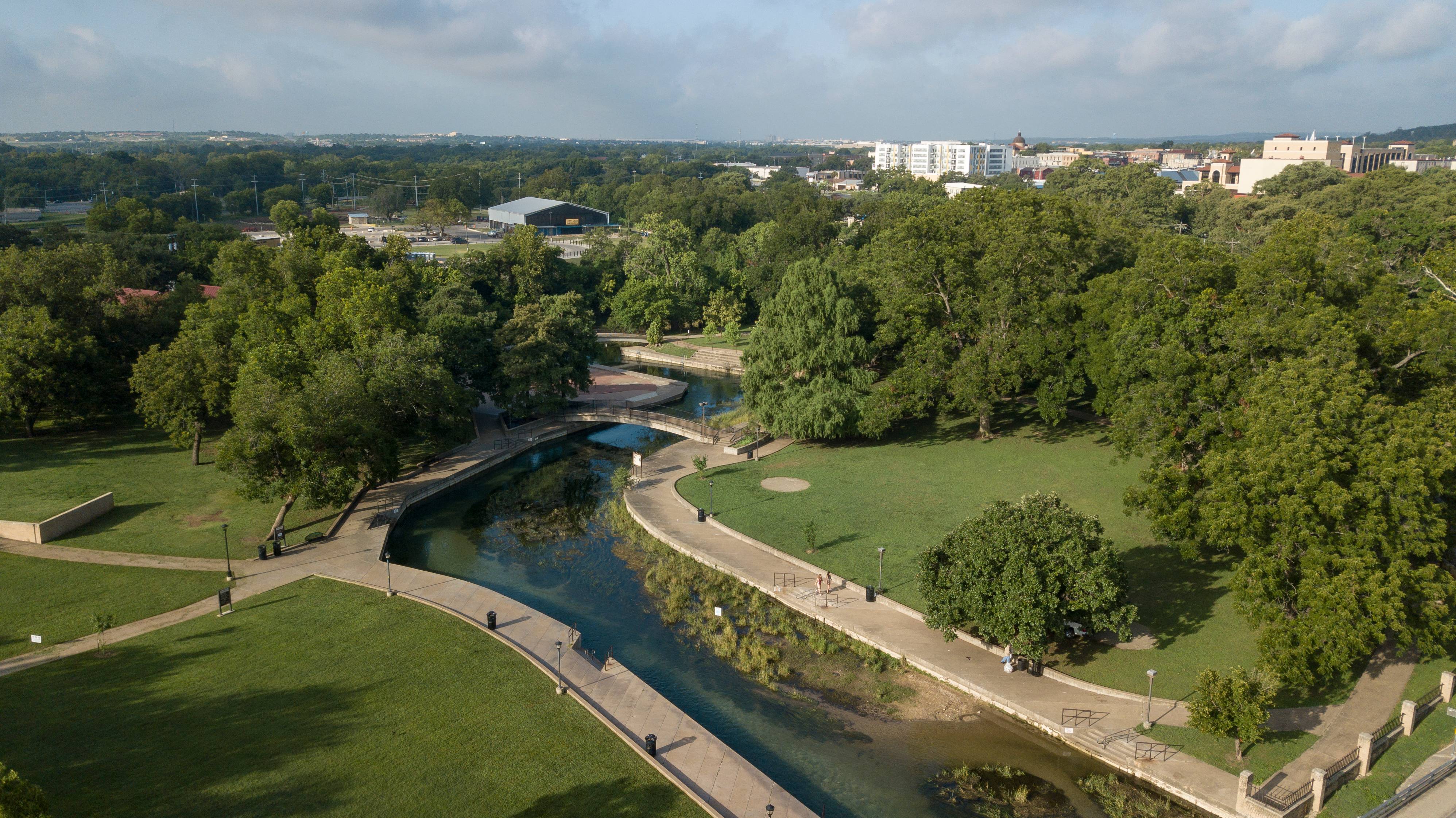
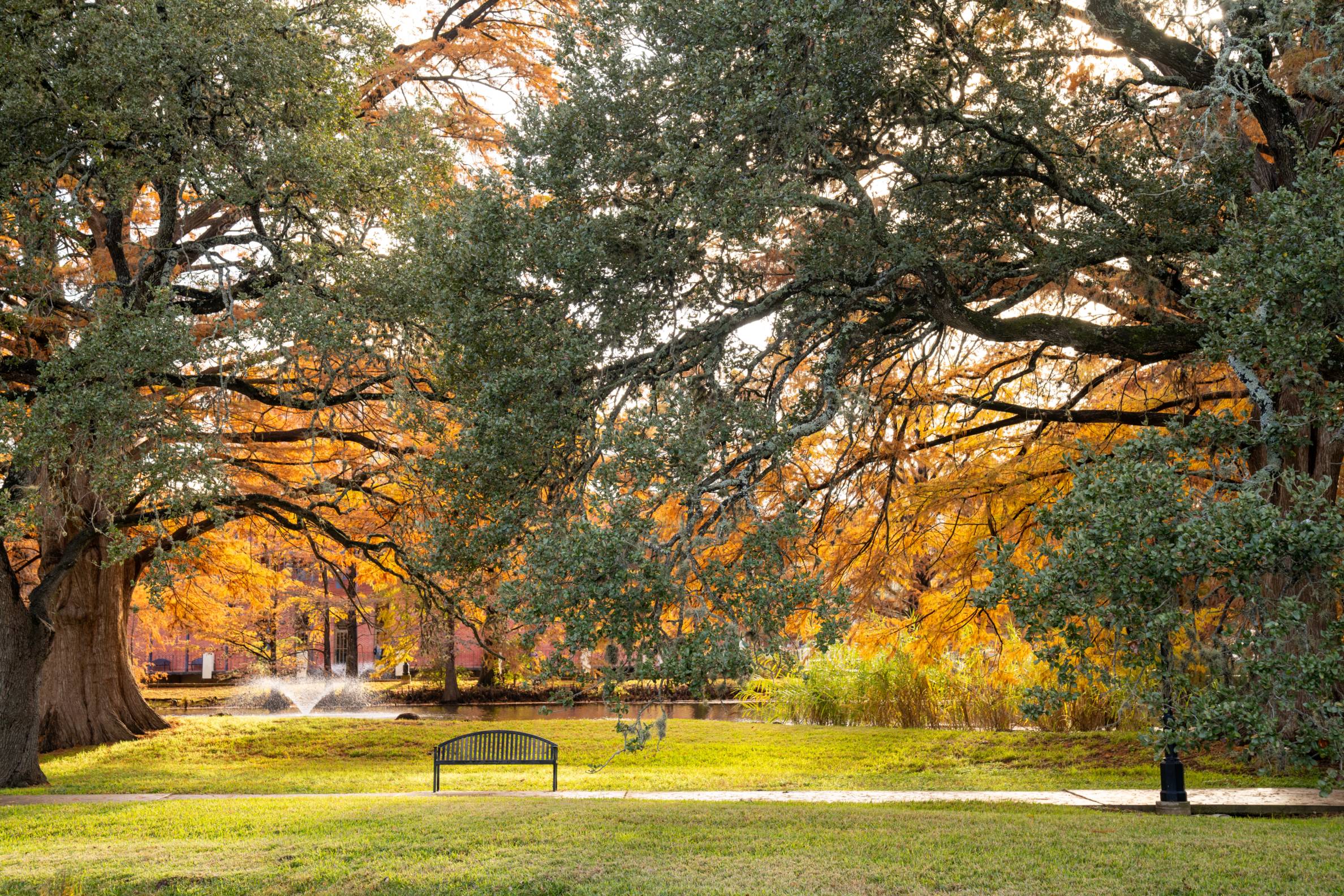
Texas State’s Grounds team is responsible for upkeeping the university’s green spaces and maintaining irrigation, landscape design, planting, and tree maintenance. They maintain an impressive campus of 457 acres preserving the aesthetics of the university landscape while promoting a safe and sustainable environment for all Bobcats. Much of the landscape is considered wild-land urban interface and several campus areas are maintained as wild space in order to preserve the natural ecosystem.
Tree Campus USA Designation
Tree Campus USA recognizes the best practices in campus forestry throughout the United States. The goal of the program is to honor college campuses and leaders of their surrounding communities for promoting healthy urban forest management and engaging the campus community in environmental stewardship.
Texas State University has been recognized by the Arbor Day Foundation and Toyota as a Tree Campus USA school from 2011 through 2020.
Conservation
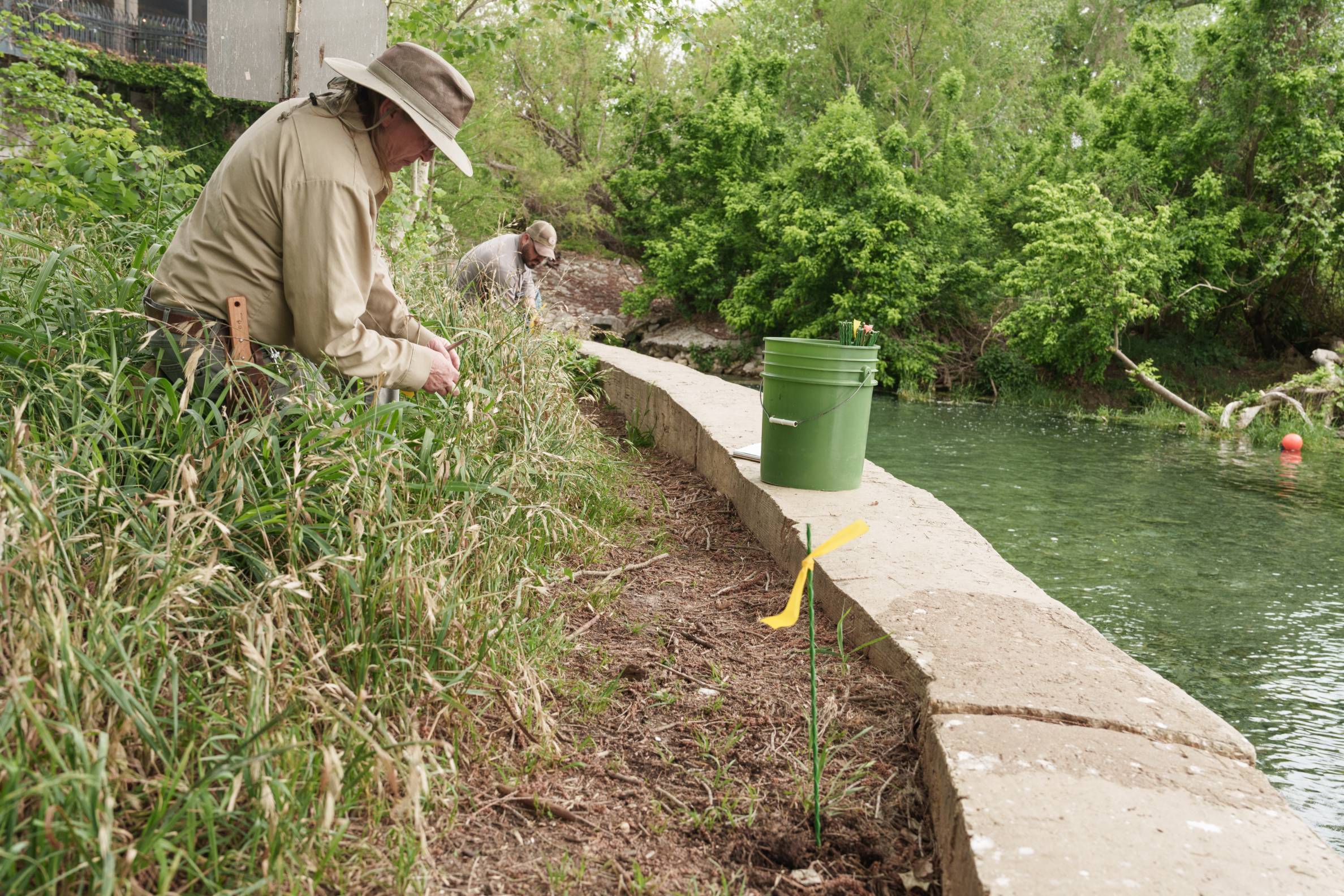
Texas State Grounds staff maintain irrigation, landscape design, as well as tree planting and care, preserving the campus's aesthetic while fostering safety and sustainability. They prioritize water conservation, composting, and promote drought-resistant plants, managing areas as wild spaces with minimal mechanical maintenance. Licensed professionals exclusively handle herbicides, and insecticides are used judiciously, with beehive relocation managed by experts. Additionally, the university minimizes the use of annuals in beds by prioritizing perennials, which require less care over the lifetime of the plant.
Around 48 acres of campus, equivalent to roughly 37.81 football fields or 7,800 parking spaces, are designated as environmentally sensitive areas and managed according to guidelines established by the Habitat Conservation Plan (HCP). The HCP is intended to provide assurance that suitable habitat is maintained for listed species.
Biological Variability
The San Marcos campus surrounds waterways that house federally endangered and threatened species. The Meadows Center for Water and the Environment is located at Spring Lake, headwaters of the San Marcos River, where the Edwards Aquifer meets the surface through several artesian springs. These springs, lake, and river are listed as protected sensitive environments, with the upper 4 miles of the San Marcos River distinguished by its remarkable biological variety and numerous endemic species--isolated species of plants and animals found nowhere else in the world. Consequently, the U.S. Fish and Wildlife Department and Texas Parks and Wildlife have designated the San Marcos Springs and Spring Lake as critical habitat, referring to a specific geographical area essential for the continued success of endangered plants or animals and necessitating special management and protection efforts.
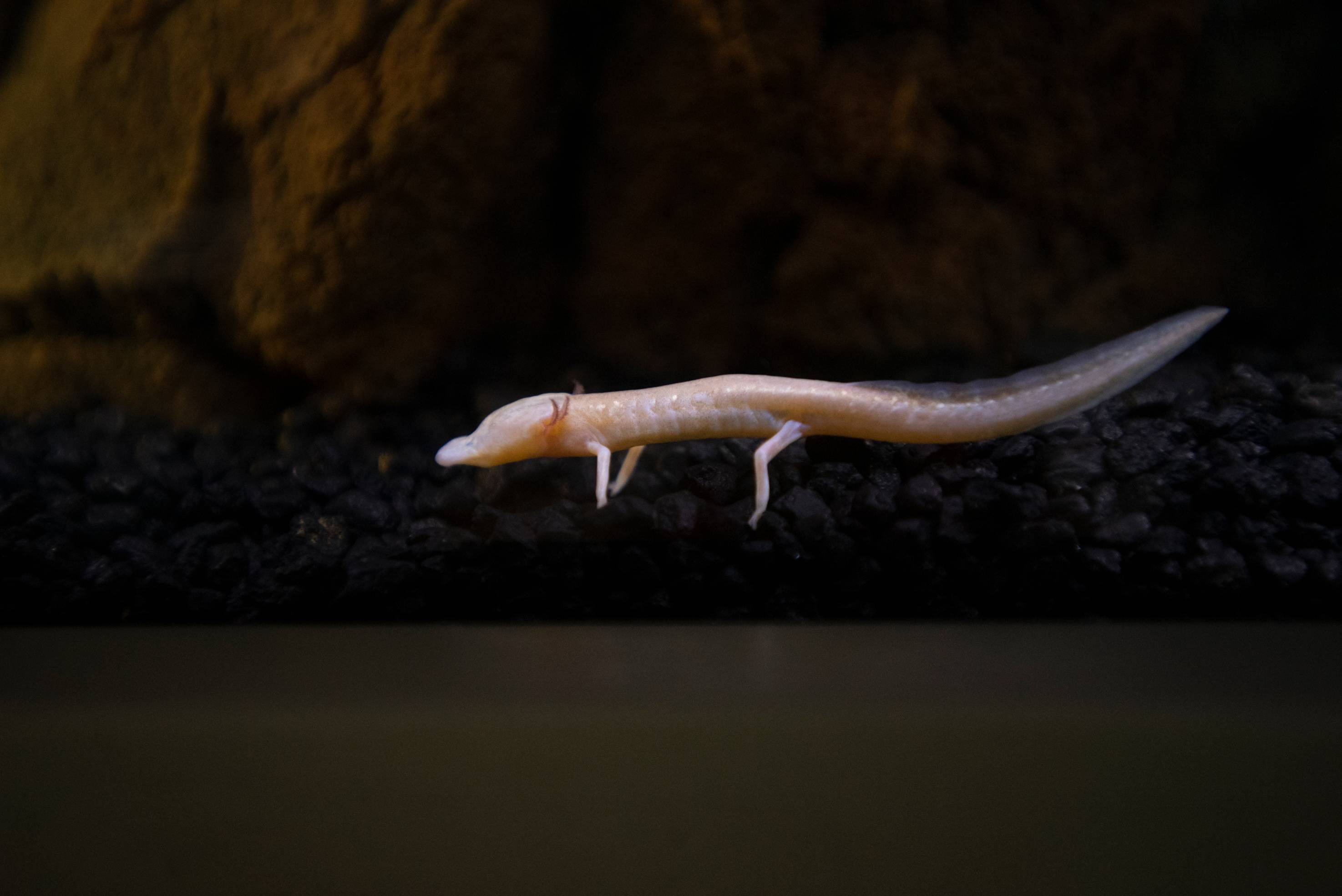
Texas Blind Salamander
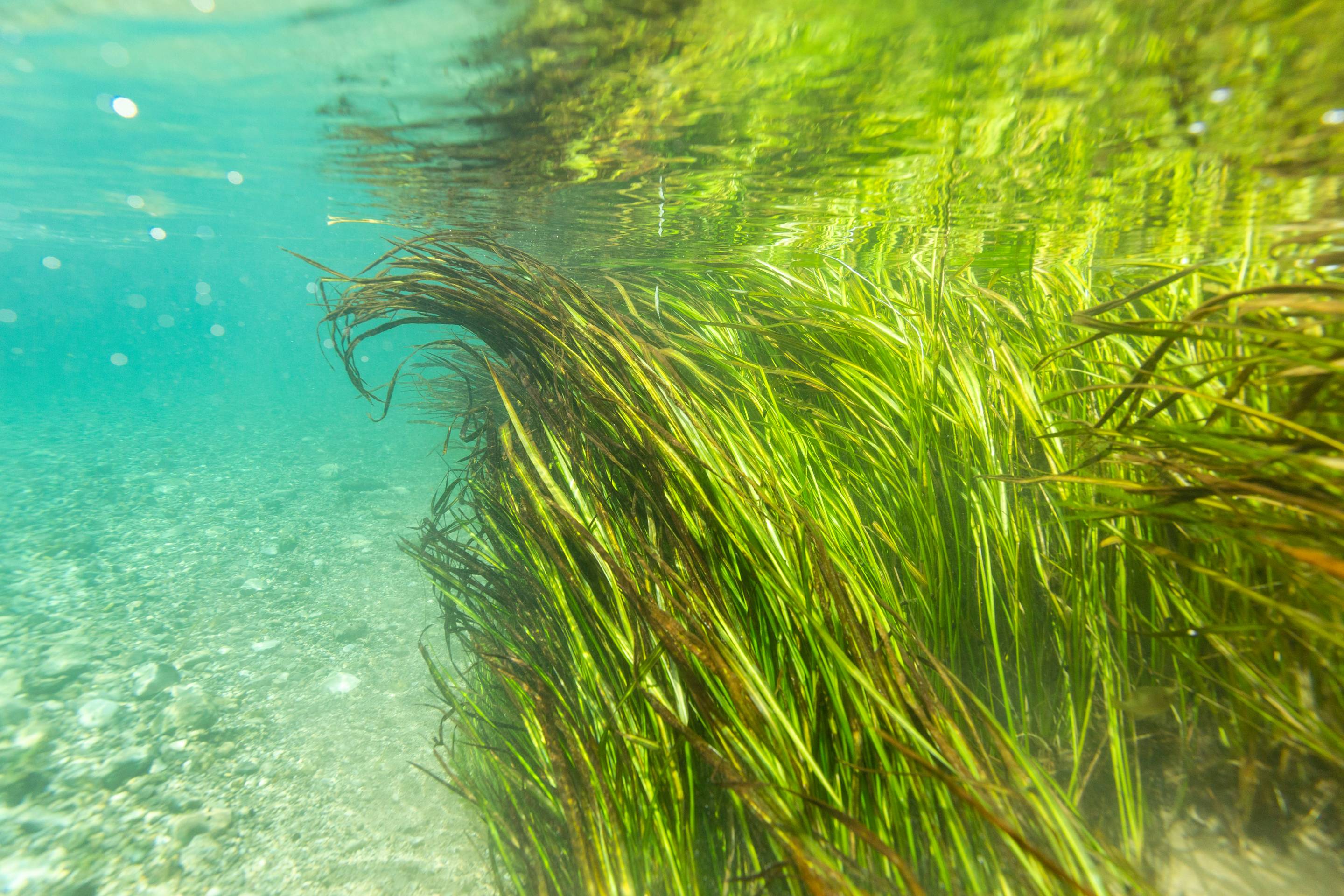
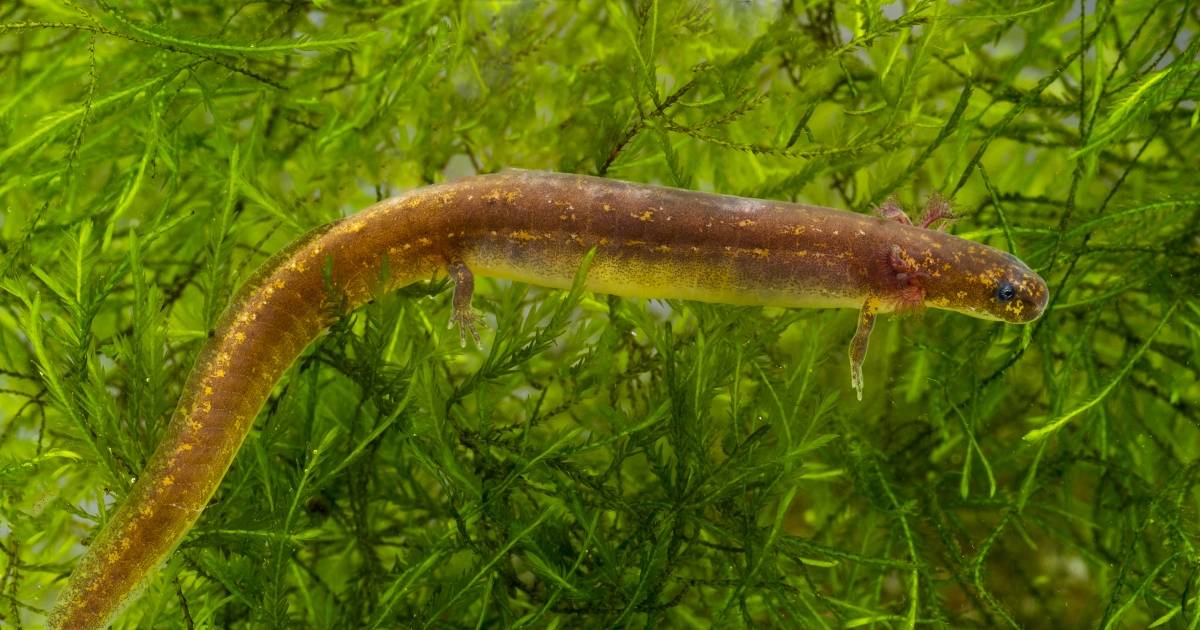
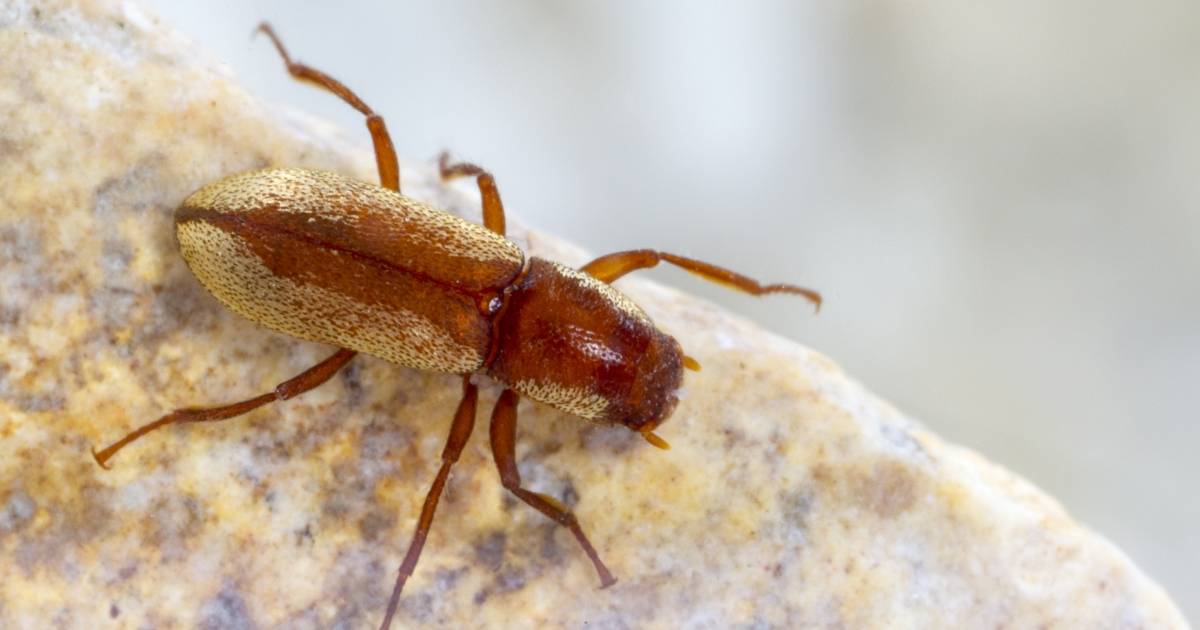
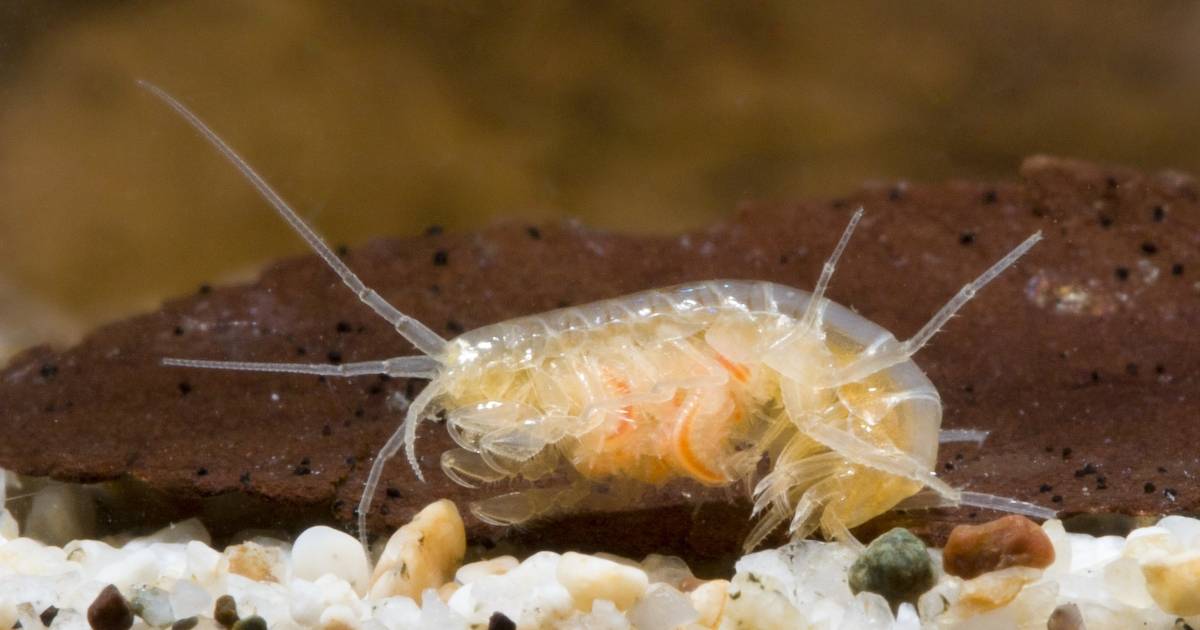
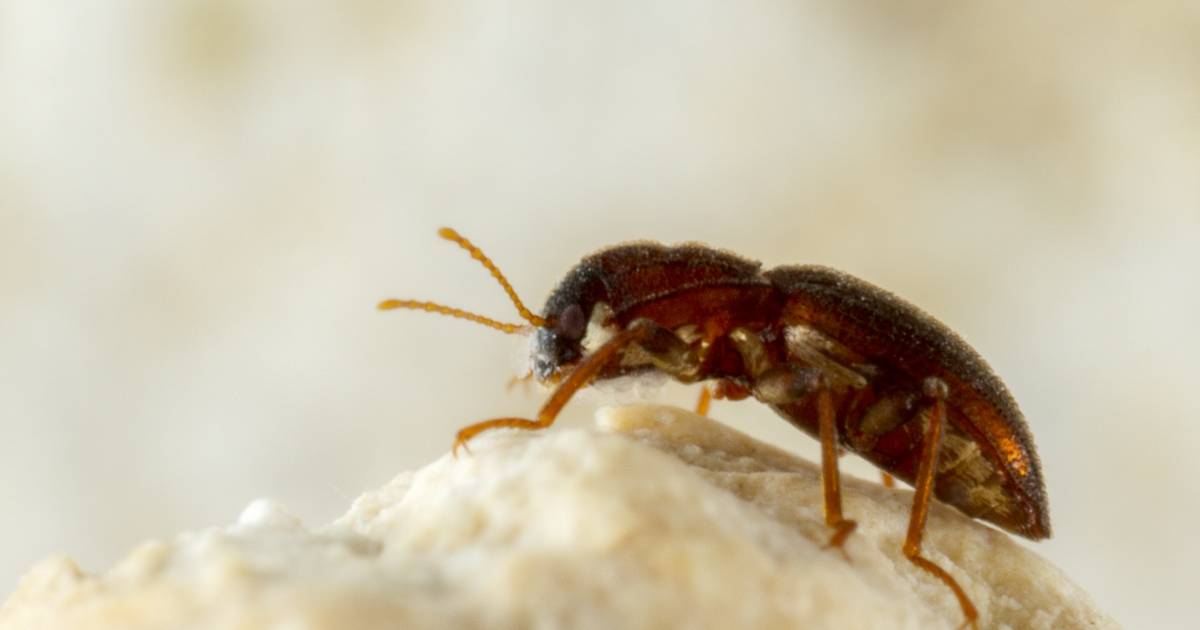
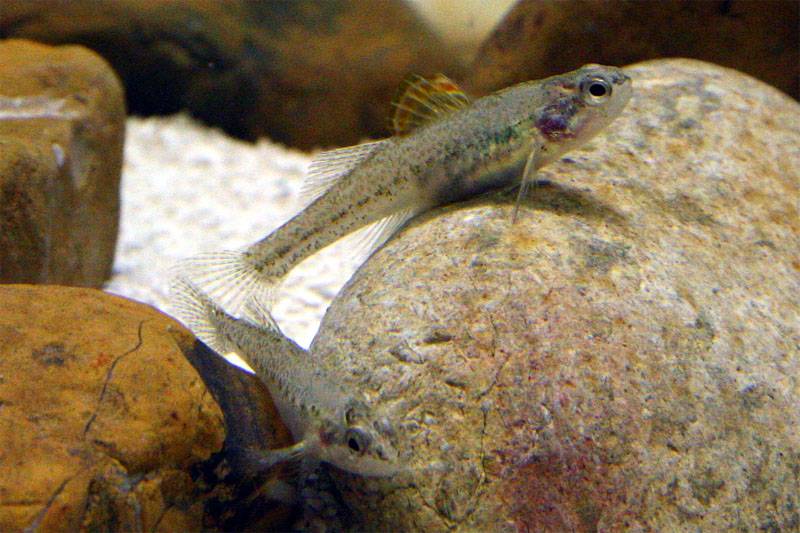
Unique Residents
TXST is home to seven (7) endangered and threatened species identified by the US Fish & Wildlife Service and Texas Parks & Wildlife. They are:
The Texas Blind Salamander, Texas Wild Rice, San Marcos Salamander, Comal Springs Dryopid Beetle, Peck's Cave Amphipod, Comal Springs Riffle Beetle, and Fountain Darter.
Sustainable landscaping practices, along with active protection and restoration efforts, help these rare and unique species call TXST their home.
The TXST Plant Palette
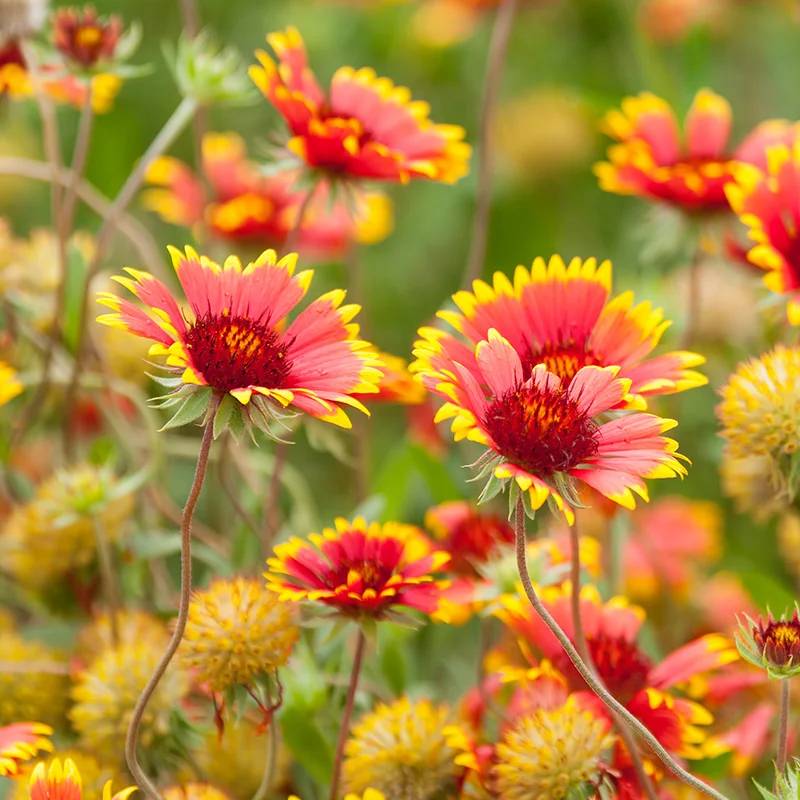
Gaillardia pulchella (Firewheel)
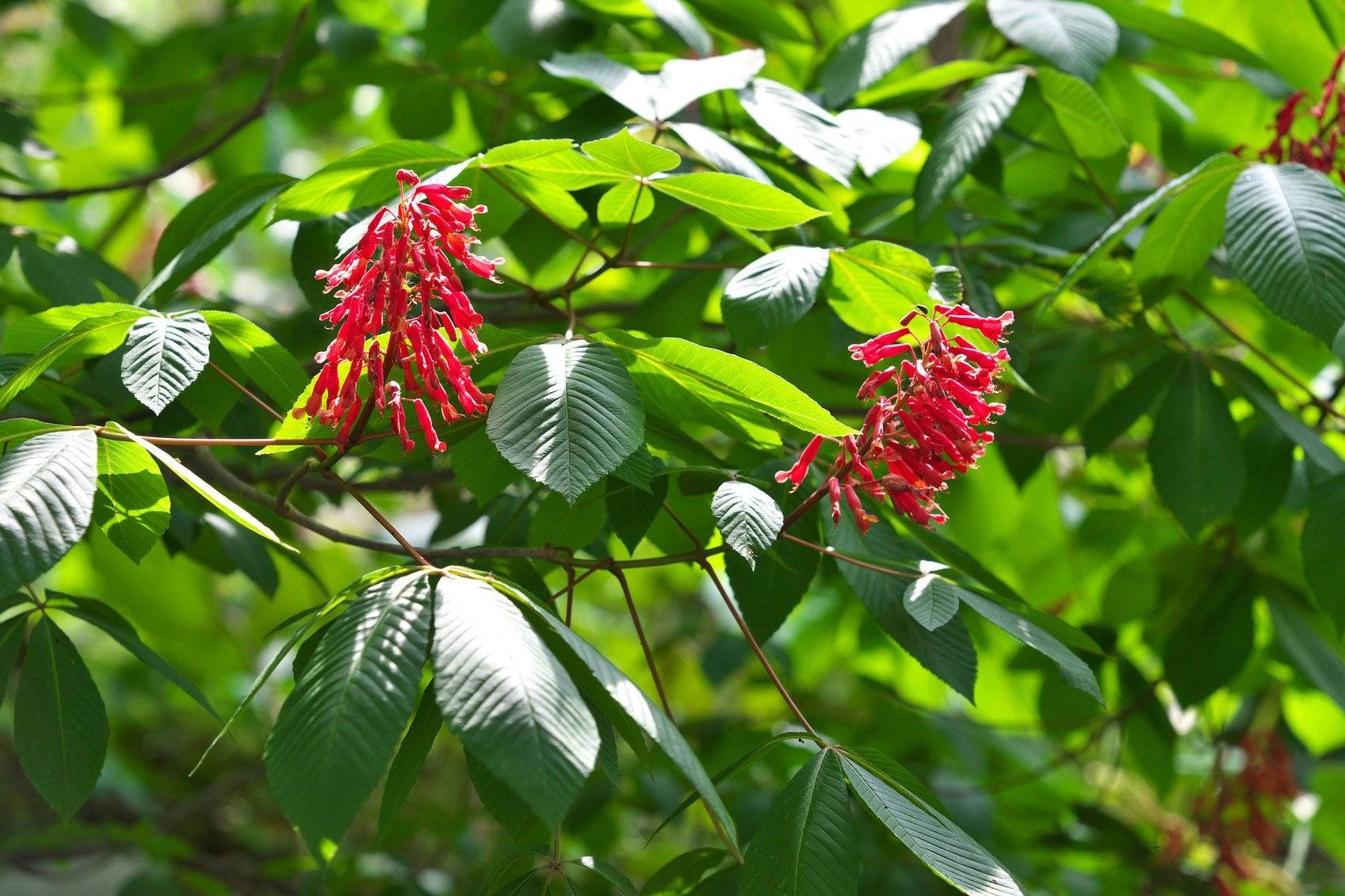
Aesculus pavia (Red Buckeye)
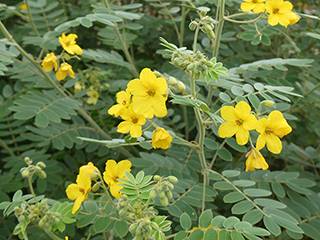
Senna lindheimeriana
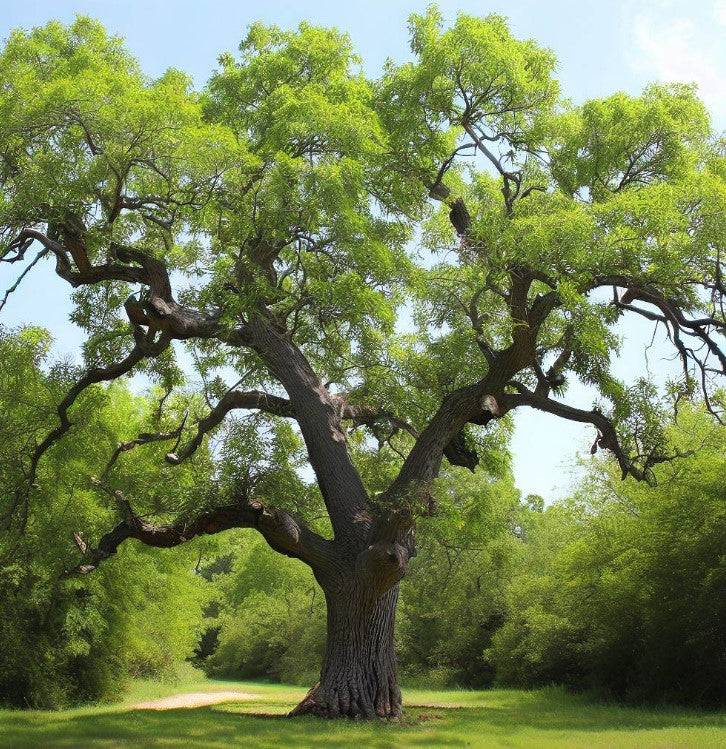
Carya illinoinensis (Pecan)
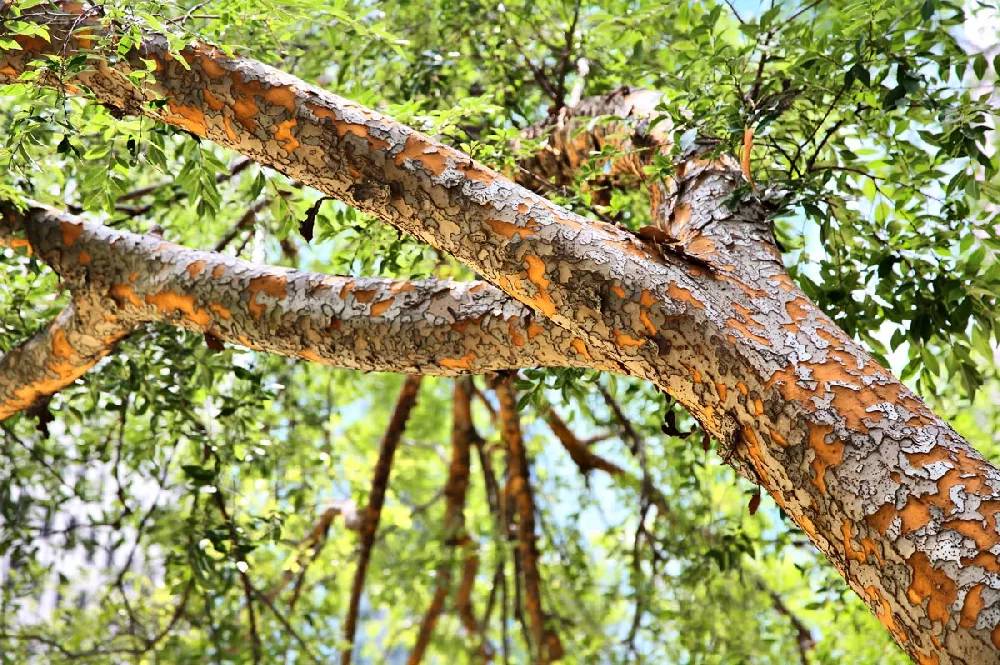
Ulmus parvifolia (Lacebark Elm)
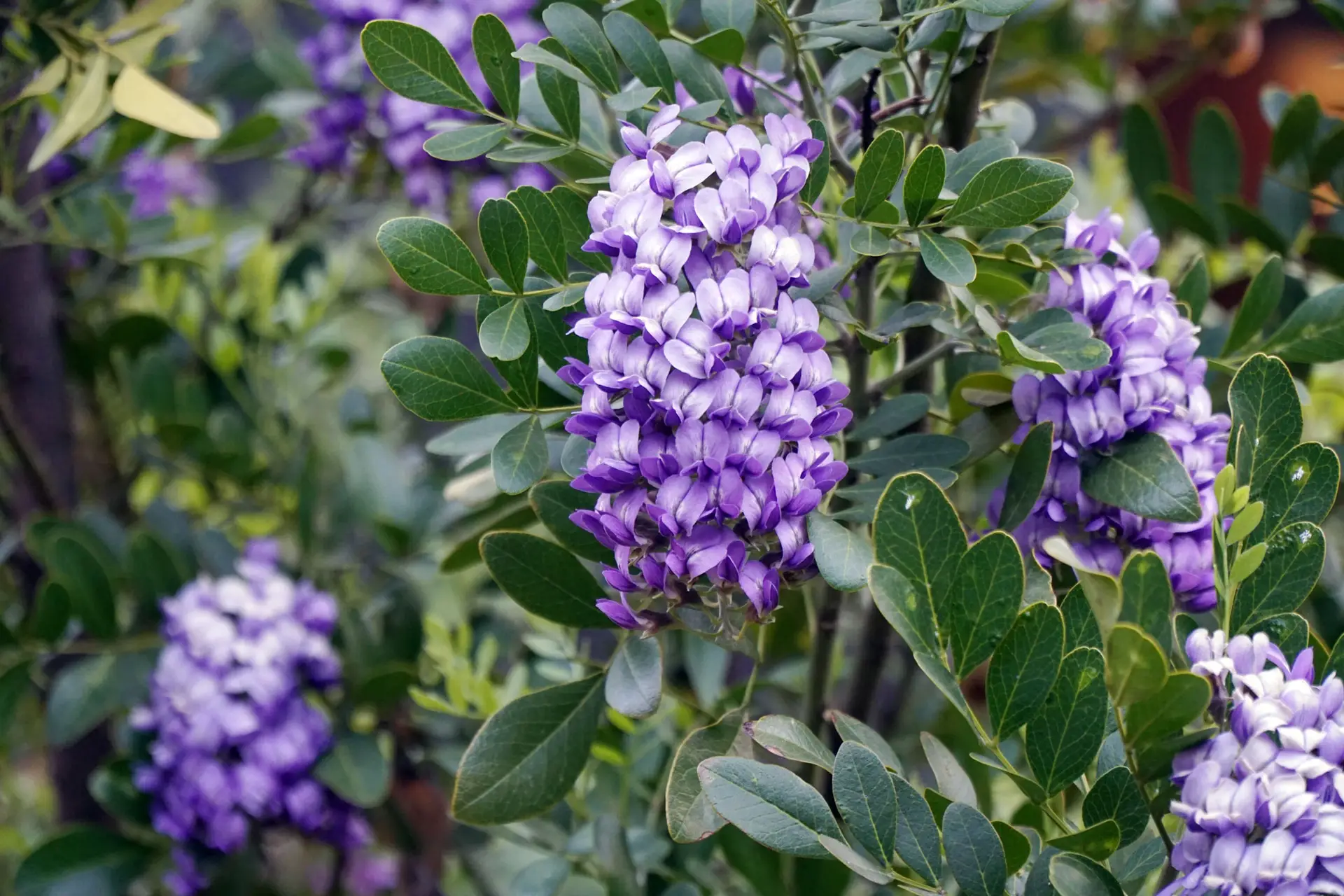
Dermatophyllum secundiflorum (Texas Mountain Laurel)
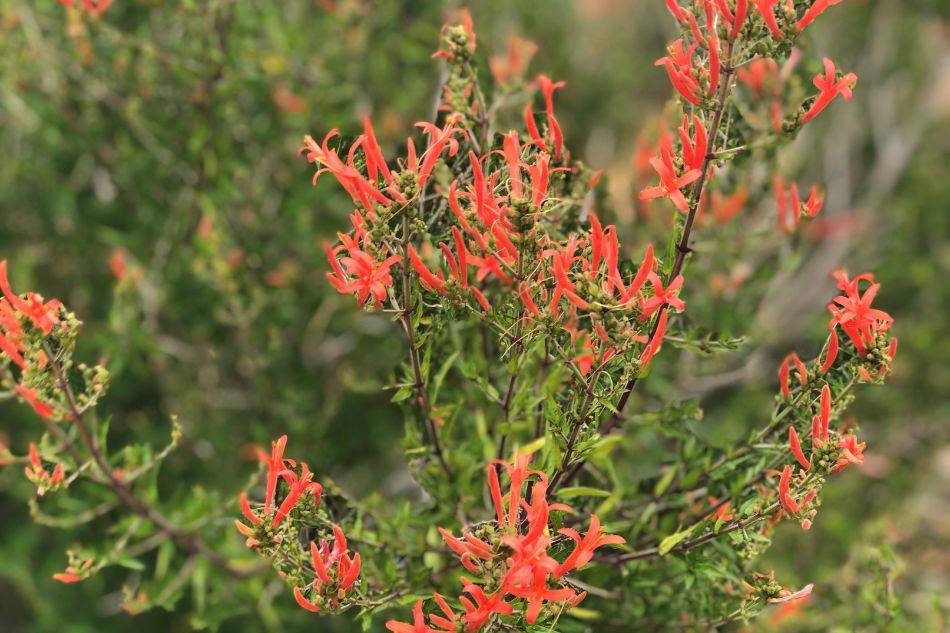
Aniscanthus quadrifidus (Flame Acanthus)
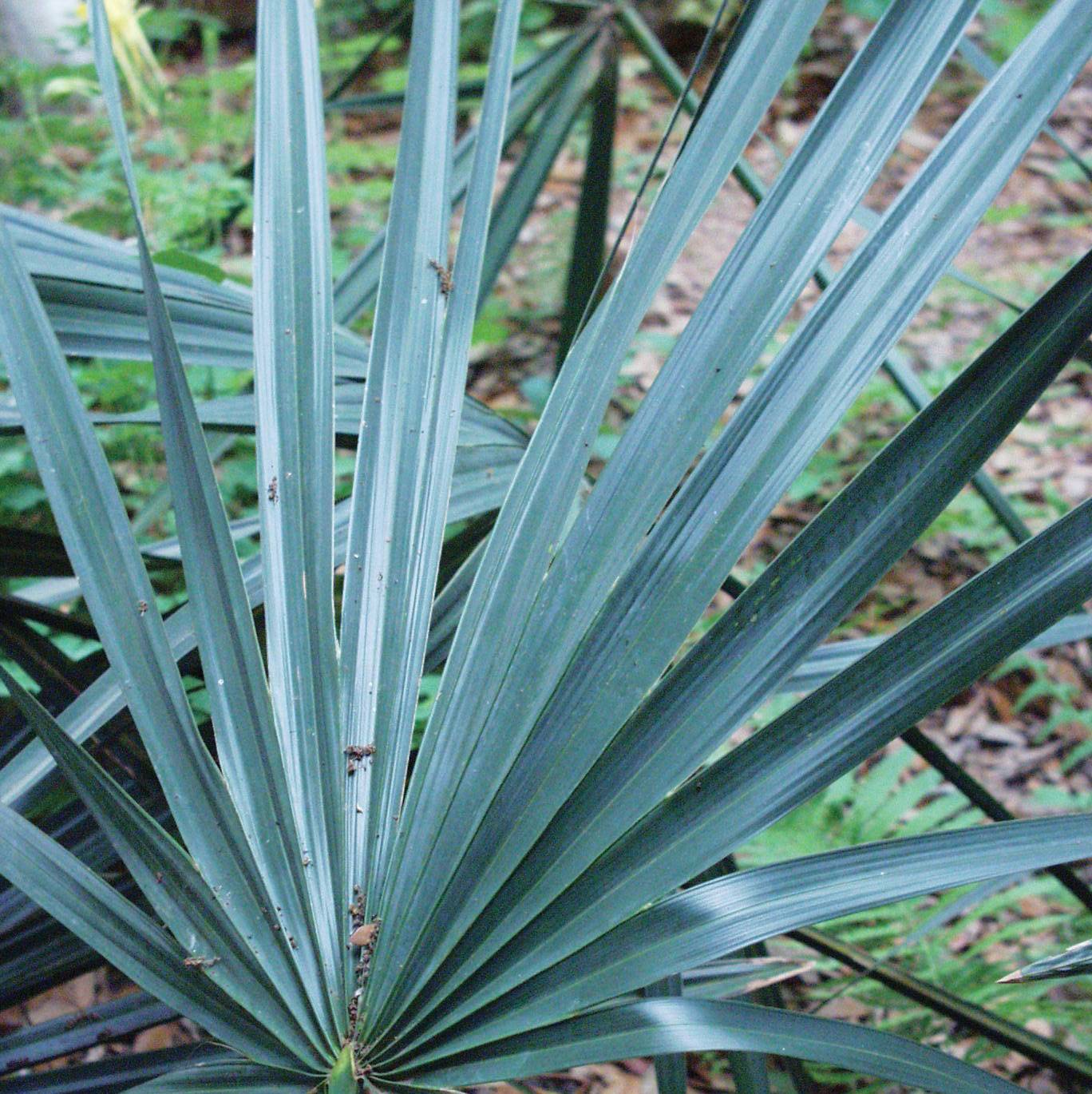
Sabal minor (Dwarf Palmetto)
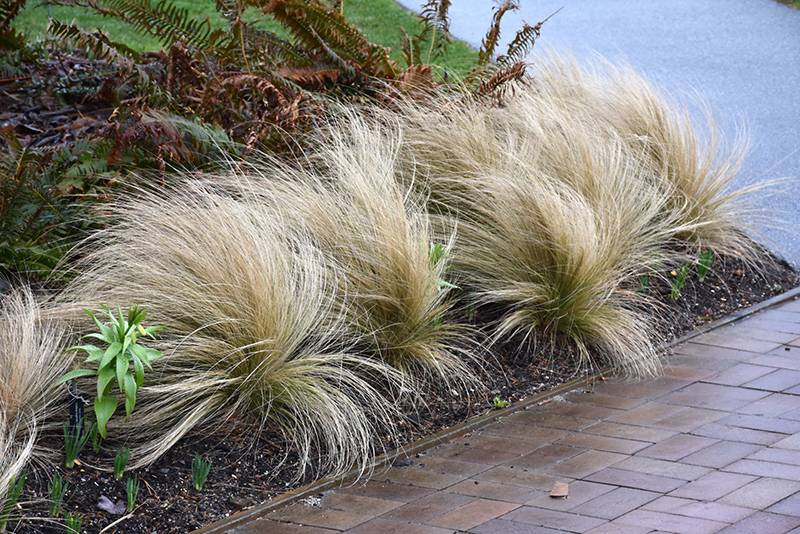
Nassella tenuissima (Mexican Feathergrass)
What is TXST's Plant Palette?
The Texas State University campus is defined by three landscape zones: the plateau, the prairie, and the wetlands.
The Edwards Plateau has thin soil and shrubs over limestone, while the Blackland Prairie has fertile clay-based soil and coarse grass. The wetlands, influenced by the San Marcos River and the surrounding riparian areas, are crucial for flood water mitigation and aquifer rejuvenation, and support both aquatic and terrestrial plant species.
The use of plants adapted to live in each zone, planted in the appropriate parts of campus, is an essential part of Texas State campus landscaping, as detailed in the university's master plan, and creates a colorful, varied “palette” of native plant species across campus.

The 2025-2035 Master Plan includes landscaping guidelines for a diversified plant palette to increase biodiversity, create habitat, and celebrate a strong sense of place.
Stormwater Management
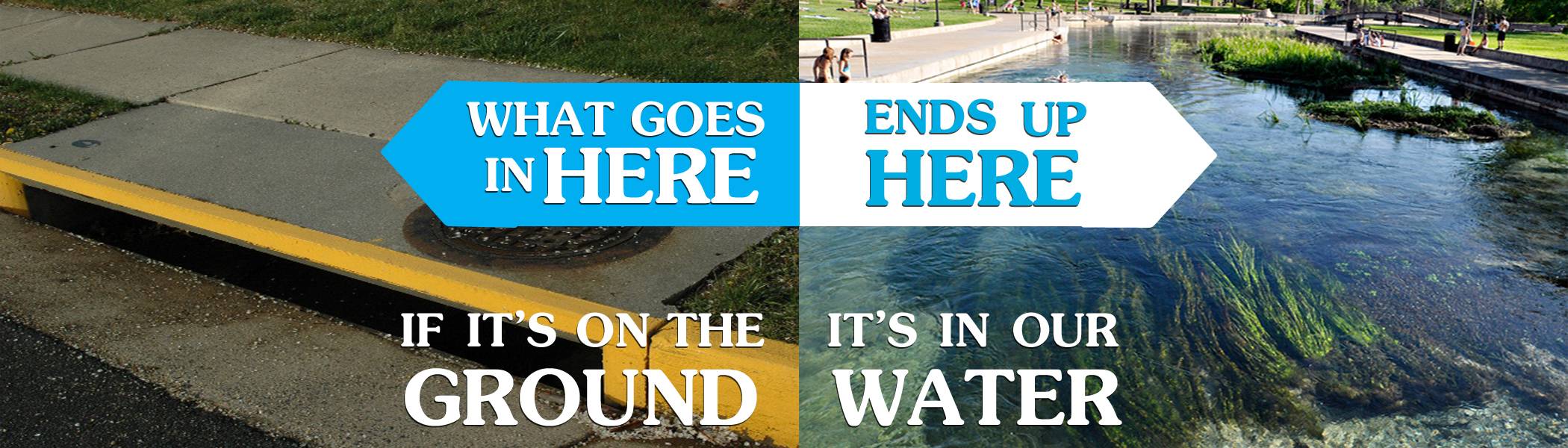
The university implements a Municipal Separate Storm Sewer System (MS4) program and integrates rainwater collection systems into new buildings. The University Master Plan also provides integrated solutions for effective stormwater management in new landscaping and design.
Existing landscapes are enriched with compost and mulch as part of regular practices, reducing harmful runoff. Additionally, staff conducts continuous monitoring and audits to optimize water distribution efficiency in alignment with the university's water reduction goals.
You can help keep our campus clean!
Report a Spill
Help TXST keep our stormwater and waterways safe by reporting oil, waste, or chemical spills here:
Report a Leak
Help TXST Facilities find and fix leaks in our irrigation and water supply:
Keep Campus Clean
Learn more about stormwater and MY TXST MY HOME, the campaign to keep our campus and waterways litter-free and beautiful here: